Russian blue

Your Russian blue is family and protecting them shouldn't be stressful.

Russian blue

Pet insurance for your Russian blue

These cats are generally healthy, with lifespans ranging from 15 to 20 years. However, like all breeds, they can develop health issues including obesity, diabetes, eye problems, urinary tract diseases and polycystic kidney disease.

Pet insurance from Policy Expert can help cover eligible veterinary treatment if your cat falls ill or is injured in an accident, subject to policy terms, limits and exclusions. Pet insurance is not legally required, but it can help with eligible unexpected vet costs.

Pet insurance for your Russian blue with Policy Expert

Choosing pet insurance for your Russian blue? Here's why Policy Expert could be the right fit for you:

Lifetime cover

Policy Expert pet insurance is a lifetime policy, meaning limits refresh each year as long as the policy is renewed without a break.

Clear quote details

Your quote and schedule will show the premium, cover level, annual limit, excess and any co-payment that applies.

Flexible cover options

 Choose from Bronze, Silver and Gold cover options, each with different annual vet fee cover limits and benefits.

Russian blue facts

Understanding your Russian blue's characteristics helps you provide appropriate care and anticipate their needs.

  • Lifespan

    Russian blues typically live between 15 to 20 years, with some reaching 25 years with proper care.

  • Weight

    Males usually weigh 4.5–6.8 kg, whilst females typically weigh 3.2–5.4 kg.

  • Colours

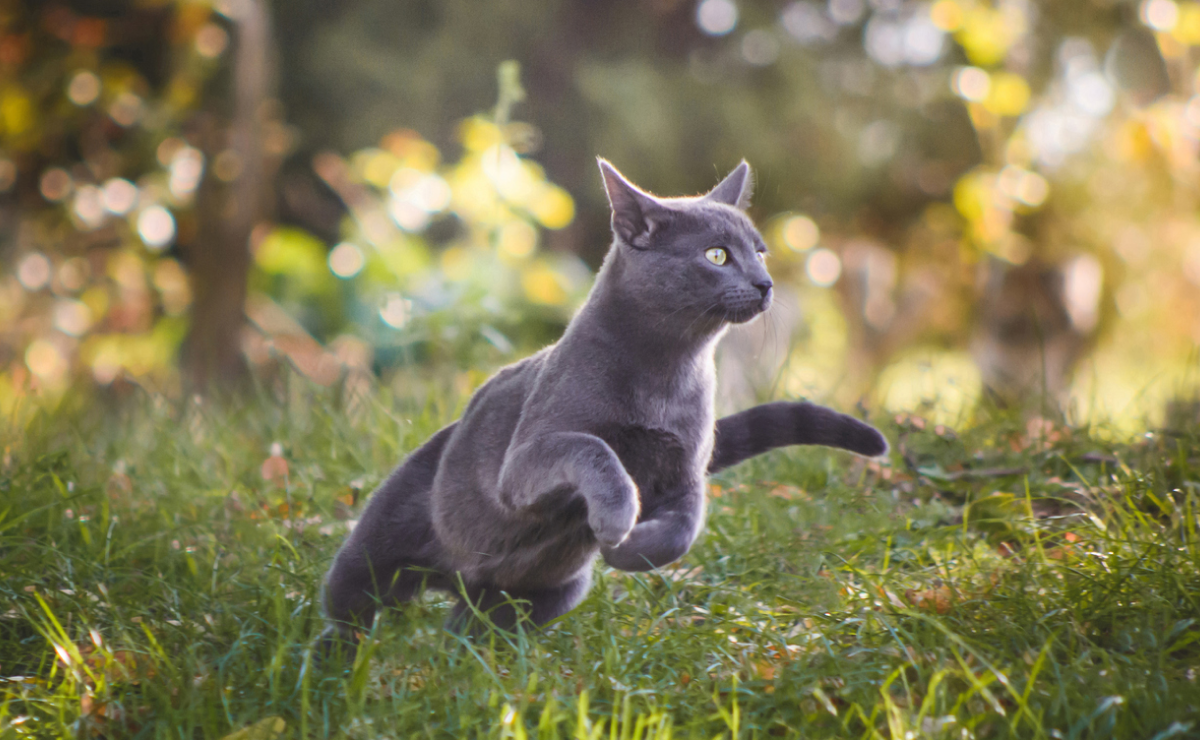
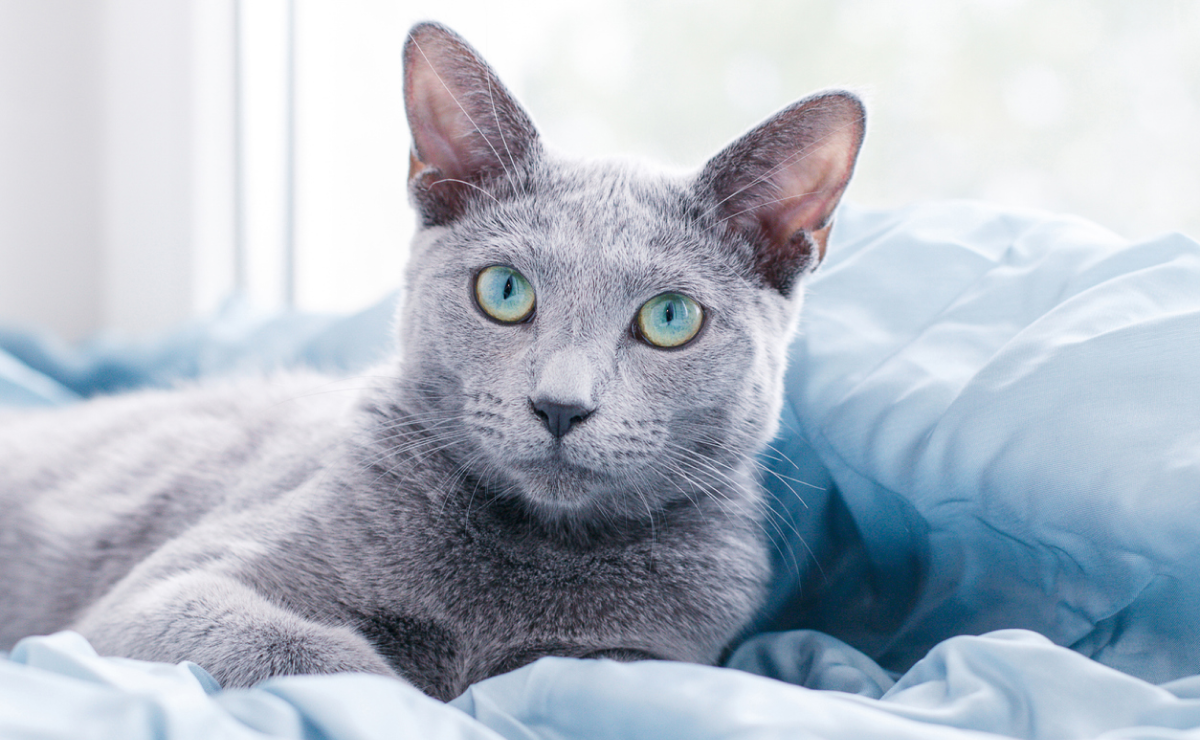
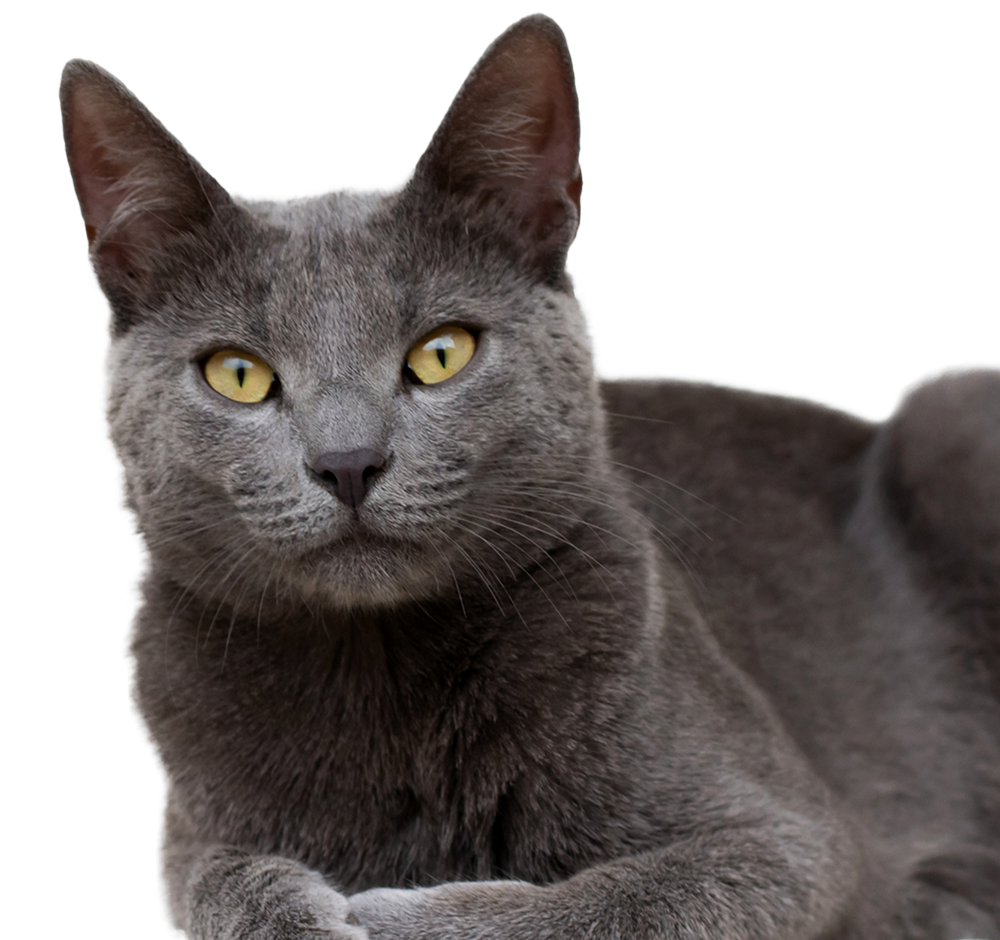
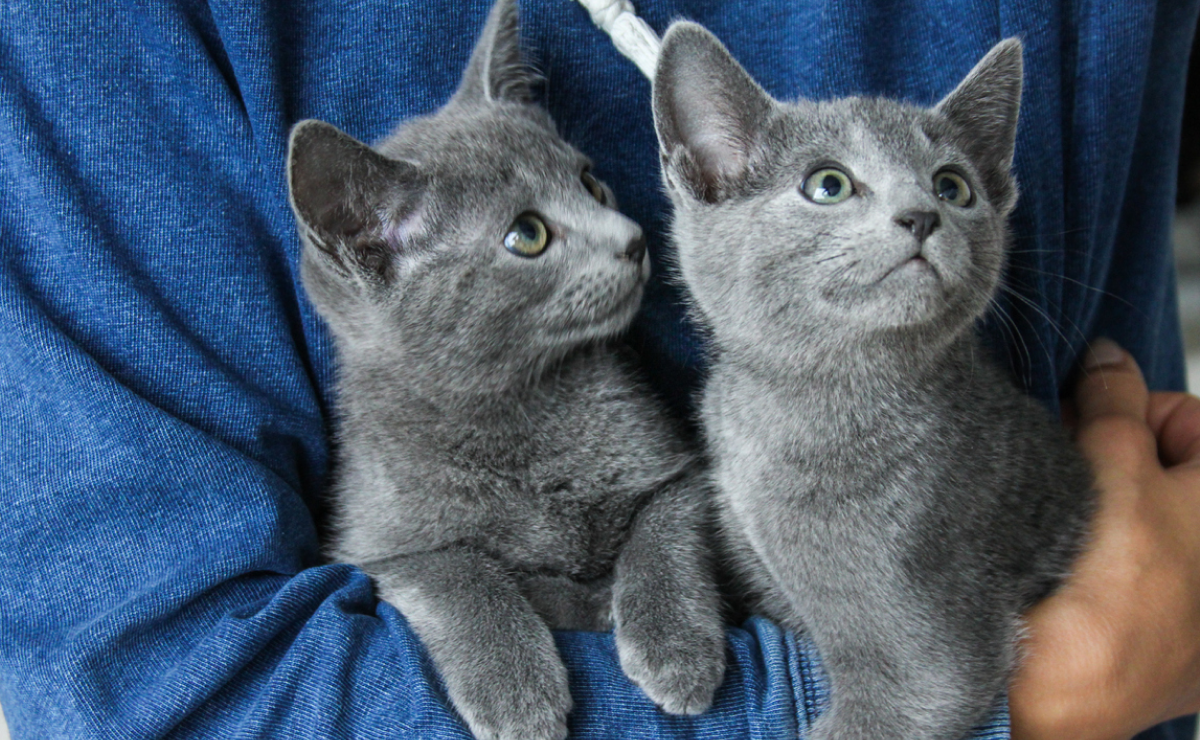
    Distinctive blue-grey coat with silver-tipped guard hairs that create a shimmering effect.

  • Eye colour

    Vivid green eyes that develop as they mature from kitten to adult.

  • Grooming

    Moderate; their dense double coat benefits from weekly brushing.

  • Exercise

    Moderate to high; they're playful and need mental stimulation.

Russian blue personality and temperament

Russian blues possess a unique personality that sets them apart from other breeds. They're known for being somewhat reserved, particularly around strangers, but form incredibly strong bonds with their family members. These intelligent cats can be sensitive to their owner's moods, and once they trust you, they become loyal companions who enjoy being close to their people. Many owners even describe them as having almost dog-like loyalty.

These cats also have a playful streak that lasts well into adulthood. They enjoy interactive toys and games, and their intelligence means they can learn tricks and even play fetch. Russian blues tend to establish routines and can become stressed if their environment changes dramatically, so they thrive best in stable households.

Health conditions commonly seen in Russian blues

Whilst Russian blues are generally robust cats, they can develop certain health conditions. Being aware of these helps you spot early warning signs:

  • Obesity

    Russian blues love their food and can easily gain excess weight without proper portion control.

  • Diabetes mellitus

    Often related to obesity, this condition requires ongoing management.

  • Eye issues

    Including progressive retinal atrophy and other inherited eye conditions.

  • Urinary tract diseases

    Russian blues, like other cats, can develop urinary issues that may need veterinary treatment.

  • Polycystic Kidney Disease (PKD)

    Inherited condition causing cysts to develop on the kidneys.

  • Hypertrophic Cardiomyopathy (HCM)

    A heart condition causing thickening of the heart muscle.

  • Hyperthyroidism

    Particularly common in older cats.

Are they covered under pet insurance?

Treatment for these conditions may be covered if it is eligible veterinary treatment for a new illness and the claim meets the policy terms, limits and exclusions. Preventative vaccinations aren’t covered, but if your vaccinated cat develops an illness, treatment may be covered if the claim meets the policy terms, limits and exclusions. Keep your cat’s vaccinations and health care up to date and follow your vet’s recommendations, as failing to meet policy conditions may affect claims.

Do I need pet insurance for my Russian blue?

Pet insurance is not a legal requirement in the UK, but it is a practical financial tool that can help protect you against unexpected veterinary costs.

Russian blues are generally a long-lived and robust breed, but their longevity, which can stretch from 15 to 20 years, also means the potential lifetime cost of veterinary care is worth planning for. They can be prone to obesity, diabetes, eye conditions and polycystic kidney disease, all of which may need ongoing management. Find out how much cover for your Russian blue could cost by getting a quote today.


How much does pet insurance for Russian blue cost?

Pet insurance premiums vary based on several factors including your cat’s age, your location, and the level of cover you choose. Your premium will depend on your quote and the details shown in your schedule.

  • Policies generally fall into these categories:
  • Bronze cover

    Vet fee limits of £2,000 or £4,000.

  • Silver cover

    Vet fee limits of £5,000 or £7,500.

  • Gold cover

    Vet fee limits of £10,000 or £15,000.

What does pet insurance for Russian blue cover?

  • A purple tick
    Vet fees

    Your Policy Expert cat insurance helps with eligible vet bills for accidents and illnesses, up to your annual limit. Given that Russian blues can live for up to 20 years, it is worth considering a higher annual vet fee limit to account for the potential cost of managing age-related conditions such as kidney disease, diabetes or hyperthyroidism over the long term.

  • A purple tick
    Complementary treatment

    Complementary treatment is not included with Bronze. Silver includes up to £1,000 and Gold up to £2,000, where treatment meets the policy requirements.

  • A purple tick
    Dental cover

    Bronze excludes dental care, Silver covers dental care for accidents up to £2,000, and Gold covers dental care for accidents and illness up to £2,000, subject to policy terms.

  • A purple tick
    Farewell cover

    Farewell cover might be part of your policy - check your schedule to be sure. If you have it, we'll cover the original purchase or donation price if your pet passes away, subject to limits, age conditions and exclusions. Russian blues are a sought-after pedigree breed, so it is worth recording the purchase price accurately in your quote.

  • A purple tick
    Emergency boarding

    Is included with Silver and Gold only, subject to the hospital stay and other policy conditions. Silver provides up to £600 and Gold up to £1,200.

  • A purple tick
    Missing pet cover

    Silver and Gold include missing pet cover. You'll get up to £50 for local advertising and up to £250 as a reward. Bronze doesn't include this.

Our pet insurance expert says...

"Russian blues are such lovely cats. They’re gentle, loyal and happiest when they’re close to the people they trust. And when they become part of the family, you naturally want to do everything you can to look after them. That’s where pet insurance can offer a little extra peace of mind, giving you one less thing to worry about when your cat needs you most.”

Linda Crichton, Chief Service and Operations Officer

What is not covered in the pet insurance for your Russian blue?

Your pet insurance policy won't cover everything. Here's what's excluded:

  • A cross
    Pre-existing conditions

    This means any health issues your Russian blue had before the policy started, including known problems, symptoms, existing illnesses or injuries, related conditions, bilateral conditions and certain spinal disc issues. For Russian blues, this is particularly relevant given their predisposition to conditions such as polycystic kidney disease and progressive retinal atrophy. Taking out cover before any symptoms appear gives you the best chance of a new condition being eligible, but all claims will still need to meet the policy terms.

  • A cross
    Routine treatments are not covered

    That's things like vaccinations, regular health check-ups, dental check-ups, and any preventative or cosmetic treatments. Russian blues can be prone to weight gain, so regular vet check-ups and dietary management are recommended - but these routine costs fall outside the scope of pet insurance.

  • A cross
    Behavioural treatment

    Bronze policies don't include cover. Silver and Gold policies include up to £1,000 if the behaviour change is caused by a mental or emotional disorder that your vet has diagnosed.

  • A cross
    Pregnancy and breeding-related costs

    Pregnancy, breeding and cosmetic procedures are not covered under your pet insurance policy.

  • A cross
    Injuries in the first 48 hours

    There's no cover for injuries during the first 48 hours of your policy or illnesses in the first 14 days. Costs above your policy limits are also excluded.

What information do I need to get a quote for my Russian blue?

When getting a quote, provide the information requested accurately, such as your cat's age, breed, postcode, medical history and chosen cover level.

Be prepared with the following details: 

  • Your cat's age, the exact date of birth if known, or an estimate.

  • Purchase price if bought from a breeder.

  • Medical history : details of any previous illnesses, injuries or ongoing conditions.

  • Microchip status.

  • Neutering status.

  • Your postcode, as veterinary costs vary by location.

  • Your contact details.

  • Request a quote and check the premium, cover level, annual limit, excess, co-payment and exclusions before buying.

Can I get pet insurance if my Russian blue has a pre-existing condition?

If your Russian blue is living with a pre-existing condition, you can still insure them - but that particular condition typically won't be covered. We class pre-existing conditions as any illnesses, injuries or symptoms your cat showed before your policy started or during the waiting period.

Here's the positive part: your Russian blue will still be covered for any new, unrelated health issues that appear after your cover starts.

Russian Blue FAQs

Do Russian blues make good pets?

Yes, Russian blues make excellent pets for the right household. They're best suited to quieter homes where they can form close bonds with their family. Whilst they're reserved with strangers, they're affectionate and loyal to their owners. They adapt well to indoor living, making them ideal for flats or homes without outdoor access. Their playful intelligence means they're entertaining companions, and their moderate grooming needs make them relatively low-maintenance compared to long-haired breeds.

Are Russian blue cats hypoallergenic?

Russian blues are often marketed as hypoallergenic, and many allergy sufferers report fewer symptoms around them. They're thought to produce less Fel d 1 protein – the primary allergen in cat saliva and dander. However, there is no scientific evidence proving Russian blue cats produce less Fel d 1, and no peer-reviewed studies support the hypoallergenic claim. No cat is truly hypoallergenic. If you have allergies, spend time with Russian Blues before committing to ownership, and consider strategies like regular grooming, air purifiers, and keeping your bedroom cat-free to minimise reactions.


Are Russian blues affectionate?

Russian blues are certainly affectionate. They're not the type to constantly sit on your lap, but they show they care by staying close to you. They'll follow you around the house to be near you.

Explore our most popular cat breeds

Pet insurance for domestic longhair

Pet insurance for domestic longhair

Learn about the friendly and adaptable domestic longhair, including their personality, care needs and whether they're the right cat for your home.

Pet insurance for ragdoll

Pet insurance for ragdoll

Discover why ragdolls are one of the UK's favourite breeds, from their gentle temperament to their grooming and health needs.

Pet insurance for domestic shorthair

Pet insurance for domestic shorthair

Explore the characteristics of the domestic shorthair, including their playful nature, common traits and everyday care requirements.