Ragdoll

Ragdoll cats deserve the best care. We help cover the unexpected vet bills.

Ragdoll

Pet insurance for your ragdoll

This comprehensive guide covers everything you need to know about insuring your ragdoll cat. We’ll explore the breed’s unique characteristics, common health conditions (particularly the genetic predisposition to heart and kidney disease), and how Policy Expert cat insurance can help with eligible veterinary costs, subject to your policy terms and limits.

Whether you’re a new ragdoll owner or considering adding one to your family, understanding the financial implications of their healthcare needs is essential.

Pet insurance for your ragdoll with Policy Expert

When selecting ragdoll insurance, Policy Expert offers several compelling advantages. Here are a few reasons people choose Policy Expert for their pet insurance needs:

Lifetime cover

Policy Expert pet insurance is a lifetime policy, meaning limits refresh each year as long as the policy is renewed without a break.

Clear quote details

Your quote and schedule will show the premium, cover level, annual limit, excess and any co-payment that applies.

Bronze, Silver and Gold options

 Three cover levels, with different vet fee limits and benefits depending on the option shown in your schedule.

Ragdoll facts

Ragdolls are one of the largest domestic cat breeds, and their physical characteristics are quite distinctive:

  • Lifespan

    The average ragdoll cat lives to be 12.5 years old, though many live between 12–17 years with proper care.

  • Development

    Ragdolls mature slowly, often not reaching full size until they’re 3–4 years old.

  • Weight

    These cats typically weigh between 4.5–9 kg, with males being considerably larger than females.

  • Colours

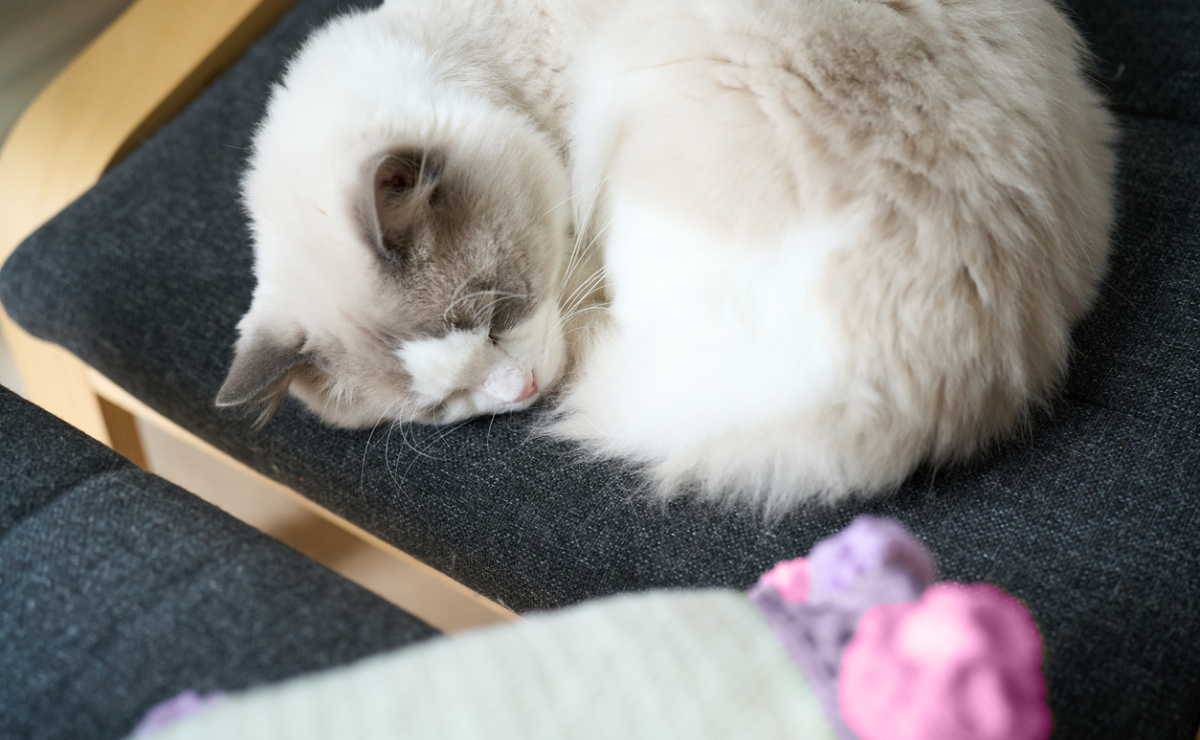
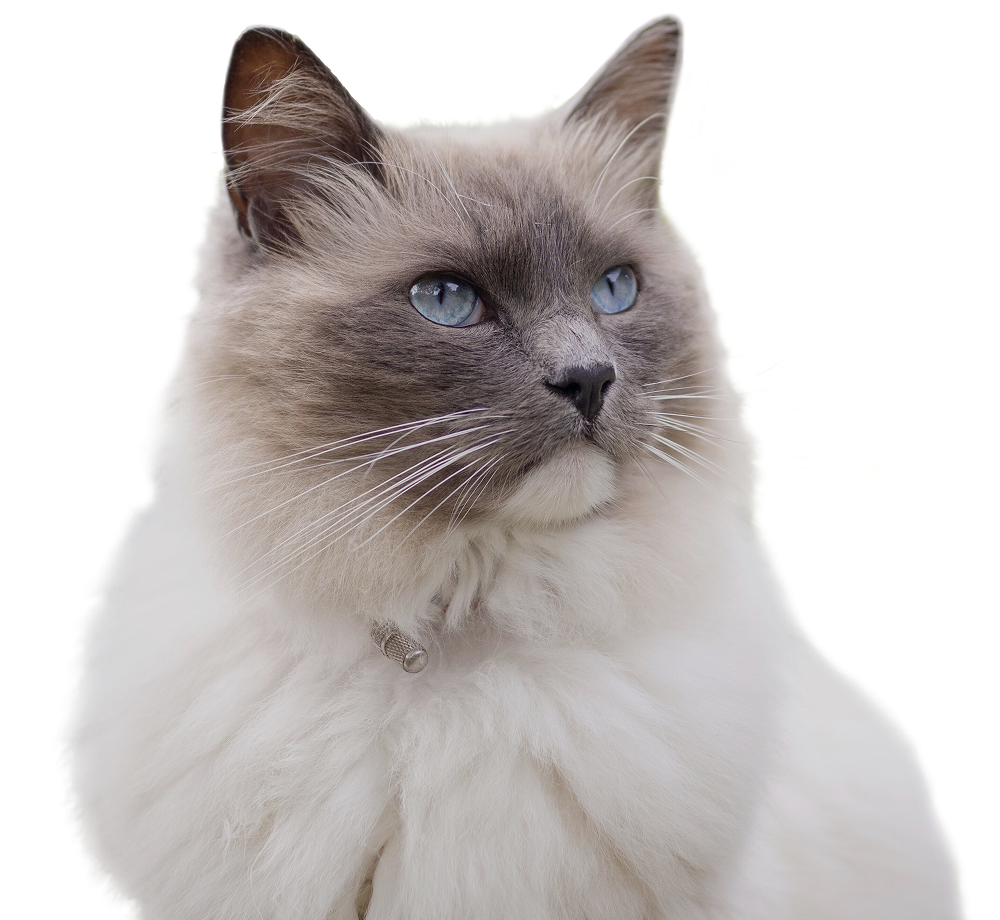
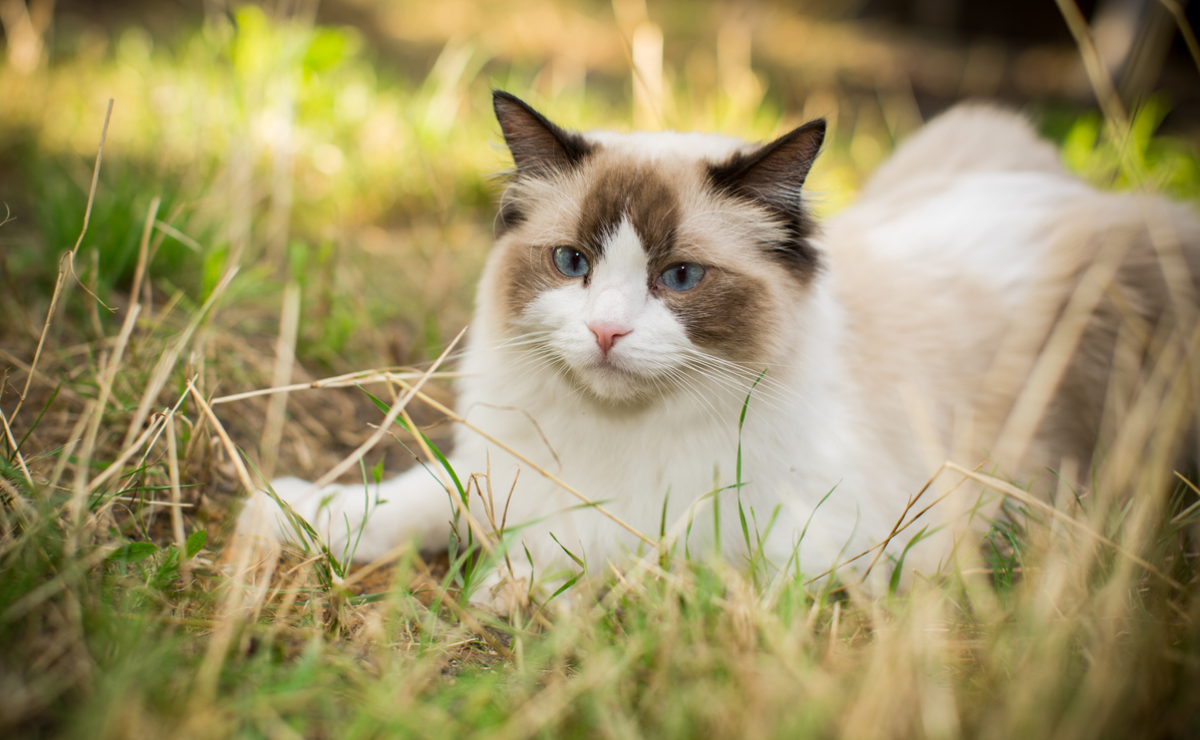
    Ragdolls come in various colours including seal, blue, chocolate, lilac, red, and cream, often with pointed, mitted, or bicolour patterns.

  • Grooming

    Despite their long, silky coats, ragdolls require moderate grooming; typically brushing two to three times weekly prevents matting.

  • Exercise

    They’re relatively low-energy cats compared to some breeds, though they do enjoy interactive play sessions.

Ragdoll personality and temperament

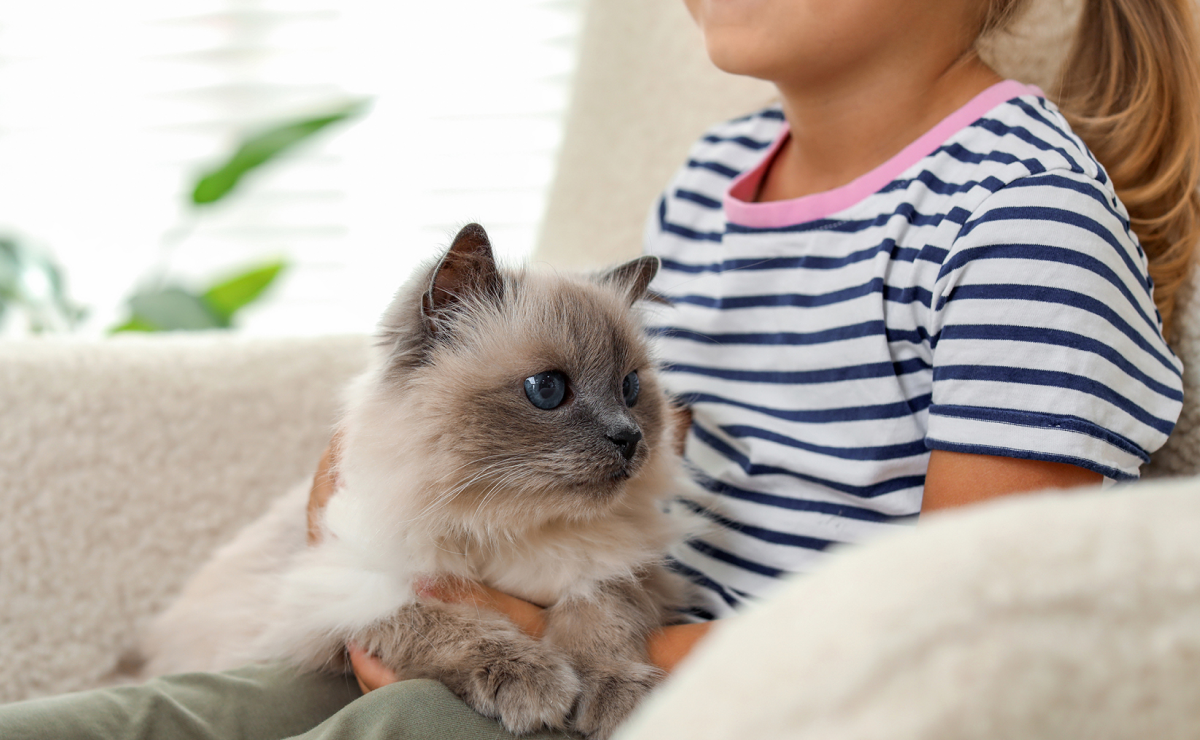
Ragdolls are famously calm, affectionate cats that often go limp when picked up - giving the breed its name. They’re highly people-oriented, enjoy following their owners from room to room, and are known for their gentle, dog-like nature.

They’re generally quiet, communicating with soft chirps and trills, and usually get along well with children and other pets. As they’re best suited to indoor living, check your policy schedule to see if missing pet benefits or farewell cover are included, as Bronze policies don't include these benefits.

Health conditions commonly seen in ragdolls

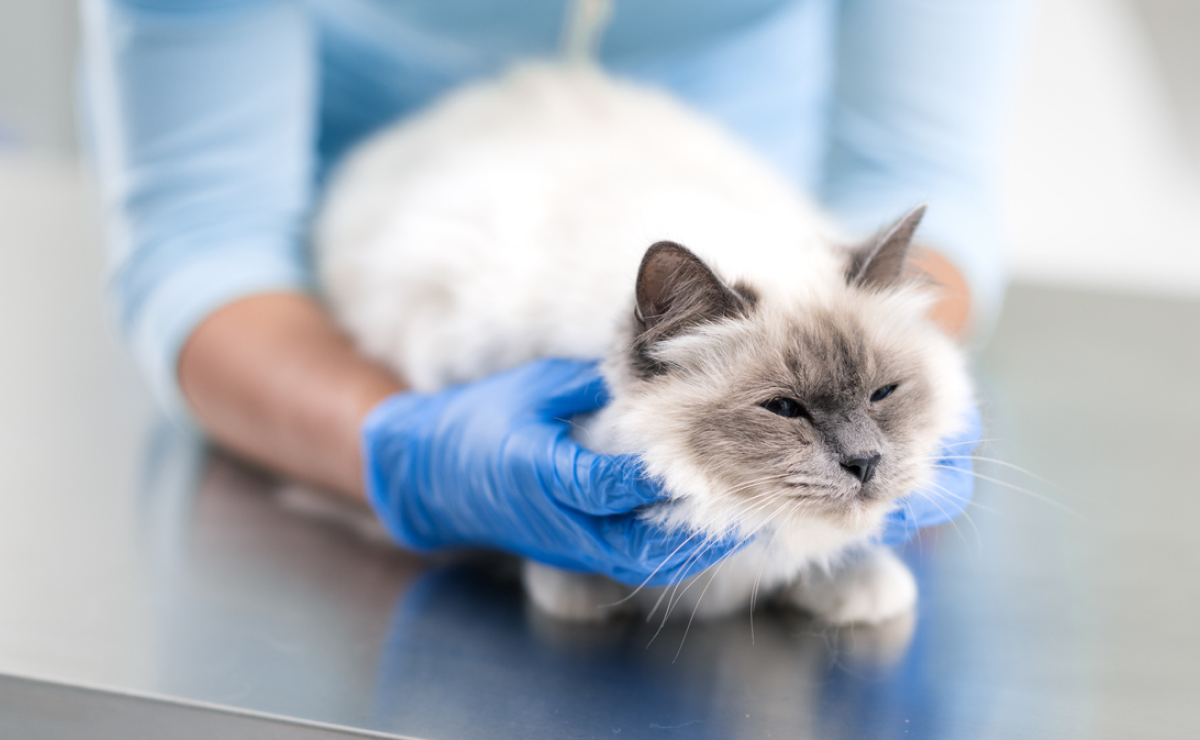
Like many pedigree breeds developed from a limited gene pool, these cats are prone to specific genetic conditions:

  • Hypertrophic Cardiomyopathy (HCM)

    A significant concern in modern house cats, which can increase the risk of diabetes, joint problems and reduced quality of life.

  • Polycystic Kidney Disease (PKD)

    This inherited condition causes cysts to develop in the kidneys. The disease accounts for almost 70 percent of all kidney disease cases in ragdolls.

  • Bladder stones

    Ragdolls can be prone to developing urinary crystals and stones, which may require surgical intervention.

  • Dental disease

    Like many cats, ragdolls can develop periodontal disease without proper dental care.

  • Cat flu

    Upper respiratory infections caused by viruses like feline herpesvirus and calicivirus can affect ragdolls, particularly if they haven’t been properly vaccinated.

  • Feline asthma

    This chronic respiratory condition causes inflammation and narrowing of the airways, requiring ongoing management.

Are they covered under pet insurance?

Treatment for these conditions may be covered if it is eligible veterinary treatment for a new illness and the claim meets the policy terms, limits and exclusions.

Do I need pet insurance for my ragdoll?

You don't legally need pet insurance in the UK, but it's worth considering for your ragdoll. These beautiful cats can be prone to heart conditions like hypertrophic cardiomyopathy (HCM) and polycystic kidney disease (PKD). Both can need specialist diagnosis and ongoing vet care, which can add up. Ragdoll insurance can help you manage eligible treatment costs, depending on your policy's annual limits, excess, co-payment and what's excluded.

It's important to check what you'd need to pay yourself – like your excess, any co-payment, excluded treatments or costs that go over your annual limit.

How much does pet insurance cost?

The cost of insuring your ragdoll depends on factors such as your cat’s age, where you live, and the cover level you choose. Your exact premium will be shown in your quote and schedule. Policies generally fall into these categories:

  • Policies generally fall into these categories:
  • Bronze cover

    Vet fee limits of £2,000 or £4,000.

  • Silver cover

    Vet fee limits of £5,000 or £7,500.

  • Gold cover

    Vet fee limits of £10,000 or £15,000.

What does pet insurance cover?

  • A purple tick
    Vet fees

    Policy Expert cat insurance can help with eligible vet fees for accidents and illnesses, up to the annual limit shown in your schedule.

  • A purple tick
    Complementary treatment

    Complementary treatment is not included with Bronze. Silver includes up to £1,000 and Gold up to £2,000, where treatment meets the policy requirements.

  • A purple tick
    Dental cover

    Bronze excludes dental care, Silver covers dental care for accidents up to £2,000, and Gold covers dental care for accidents and illness up to £2,000, subject to policy terms.

  • A purple tick
    Farewell cover

    May be available if shown on your schedule. Where included, it can cover the original purchase or donation price if your pet passes away, subject to limits, age conditions and exclusions.

  • A purple tick
    Emergency boarding

    Is included with Silver and Gold only, subject to the hospital stay and other policy conditions. Silver provides up to £600 and Gold up to £1,200.

  • A purple tick
    Missing pet cover

    Is included with Silver and Gold, with up to £50 for local advertising and up to £250 as a reward. It is not included with Bronze.

Our pet insurance expert says...

“If you're looking for a loyal, docile and affectionate cat, the Ragdoll could be the perfect match. These easygoing felines are unlikely to keep you awake with midnight mischief, but like all pets, they can sometimes need a little extra care. Having the right cover in place means one less thing to worry about, and more time enjoying their cuddles, companionship and wonderfully chilled-out character, whatever life brings.”

Linda Crichton, Chief Service and Operations Officer

What is not covered in pet insurance for your ragdoll?

Standard exclusions in pet insurance policies include:

  • A cross
    Pre-existing conditions

    If your ragdoll showed symptoms or was diagnosed before your policy started, those conditions won't be covered.

  • A cross
    Routine care

    Routine care such as vaccinations, health and dental check-ups, grooming and preventative or cosmetic treatments isn't covered by pet insurance.

  • A cross
    Behavioural treatment

    Not included with Bronze. Silver and Gold provide up to £1,000 when the behaviour change is caused by a vet-diagnosed mental or emotional disorder.

  • A cross
    Pregnancy and breeding-related costs

    Pregnancy, breeding and cosmetic procedures are not covered under your pet insurance policy.

  • A cross
    Injuries in the first 48 hours

    There's no cover for injuries during the first 48 hours of your policy or illnesses in the first 14 days. Costs above your policy limits are also excluded.

What information do I need to get a quote for my ragdoll?

When requesting a quote from Policy Expert, you'll need the following information:

Be prepared with the following details: 

  • Your ragdoll's age or date of birth.

  • Whether your cat is microchipped.

  • Your cat's medical history, including any pre-existing conditions such as HCM or PKD diagnoses.

  • The purchase price or estimated value of your ragdoll.

  • Your postcode, as veterinary costs vary by region.

  • Whether your cat is kept indoors or has outdoor access.

  • Your preferred level of cover and excess amount.

  • When getting a quote, provide the information requested accurately. Request a quote and check the premium, cover level, annual limit, excess, co-payment and exclusions before buying.

Can I get pet insurance if my ragdoll has a pre-existing condition?

Even if your ragdoll has a pre-existing condition, pet insurance is still an option - though that specific condition typically won't be covered. Pre-existing conditions include any illnesses, injuries, or symptoms that appeared before your policy started or during the waiting period. That said, your policy would still protect against new, unrelated conditions that develop once your cover is in place. For example, a history of hypertrophic cardiomyopathy (HCM) wouldn't be covered - but a later diagnosis of a urinary tract infection would be, as it's an entirely new condition.

We know that when your cat is unwell, the last thing you want is uncertainty about your cover. That's why we focus on straightforward insurance and genuine support when it matters most.

Ragdoll FAQs

Do ragdolls make good pets?

Absolutely. Ragdolls are exceptionally gentle, affectionate cats that form strong bonds with their families. Their calm temperament makes them suitable for homes with children and other pets. They’re not destructive or overly demanding, though they do crave human companionship and don’t like being left alone for extended periods. Their laid-back nature and relatively low exercise requirements make them ideal for flat living, provided they have enrichment and attention.

Are ragdoll cats hypoallergenic?

No, ragdolls are not hypoallergenic. Ragdolls produce the Fel d 1 protein (found in cat saliva, skin, and urine) that triggers allergic reactions in sensitive individuals. Their long coats may actually exacerbate allergy symptoms by collecting and distributing these allergens throughout your home. If you have cat allergies, spend time with ragdolls before committing to ownership to assess your reaction.

Can ragdolls live indoors?

Yes, and it’s actually recommended. Ragdolls are ideally suited to indoor living due to their trusting, non-aggressive nature that makes them vulnerable outdoors. They lack the survival instincts of many breeds and may not defend themselves against other cats or predators. If you are concerned about theft or straying, check whether the relevant missing pet or Farewell benefits are included in your chosen cover. Provided they have adequate stimulation, scratching posts, and climbing opportunities, ragdolls thrive as indoor cats. Some owners successfully train their ragdolls to walk on harnesses.

Explore our most popular cat breeds

Pet insurance for domestic longhair

Pet insurance for domestic longhair

Learn about the friendly and adaptable domestic longhair, including their personality, care needs and whether they're the right cat for your home.

Pet insurance for Russian blue

Pet insurance for Russian blue

Discover the elegant russian blue, known for its affectionate nature, intelligence and low-maintenance coat.

Pet insurance for domestic shorthair

Pet insurance for domestic shorthair

Explore the playful and easy-going domestic shorthair, from their temperament and care needs to common health considerations.