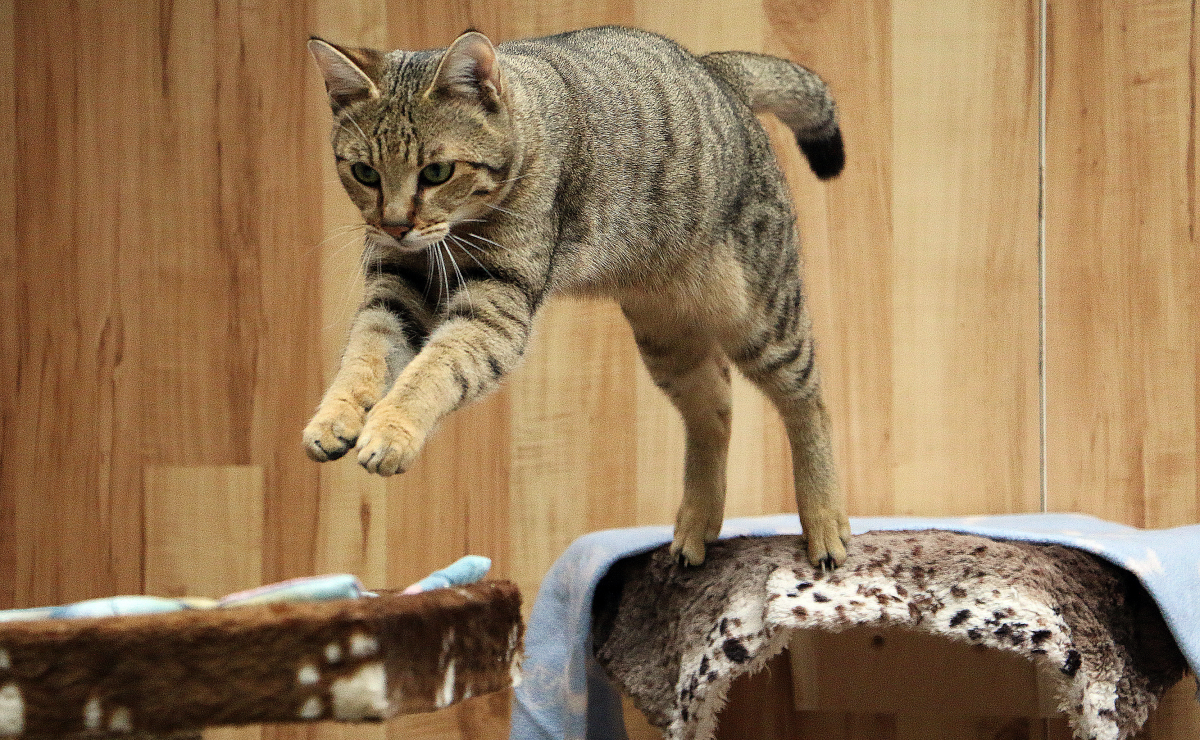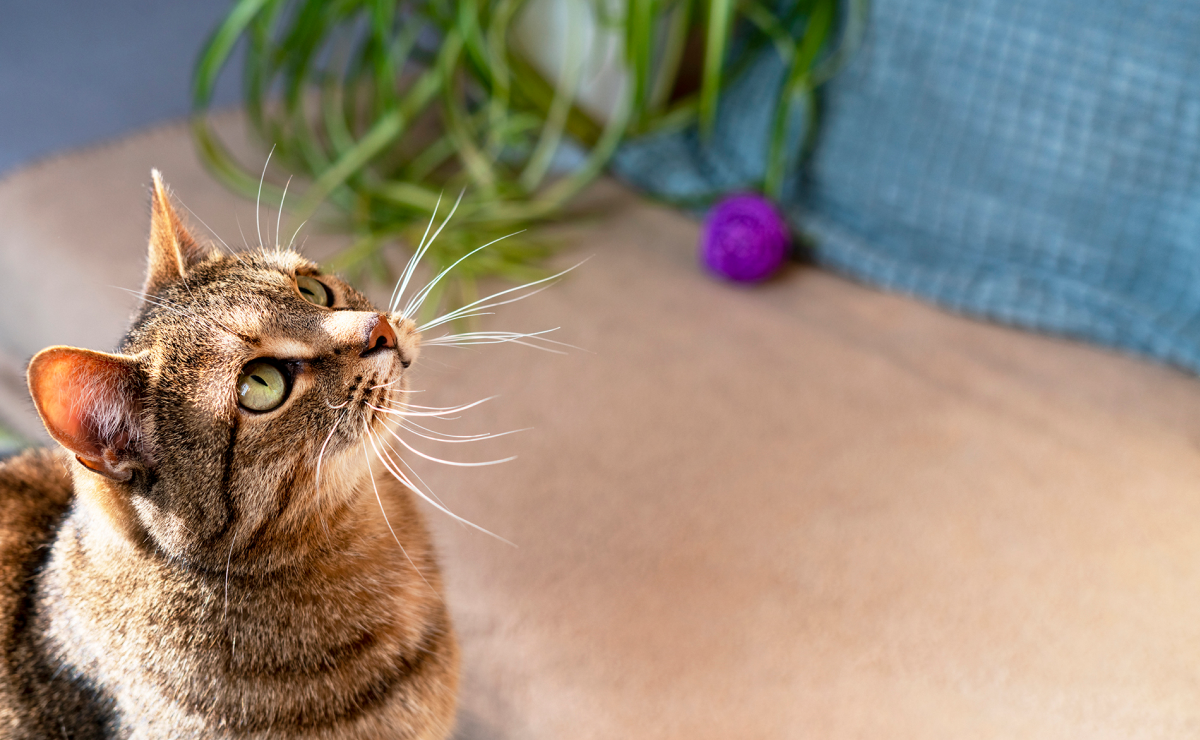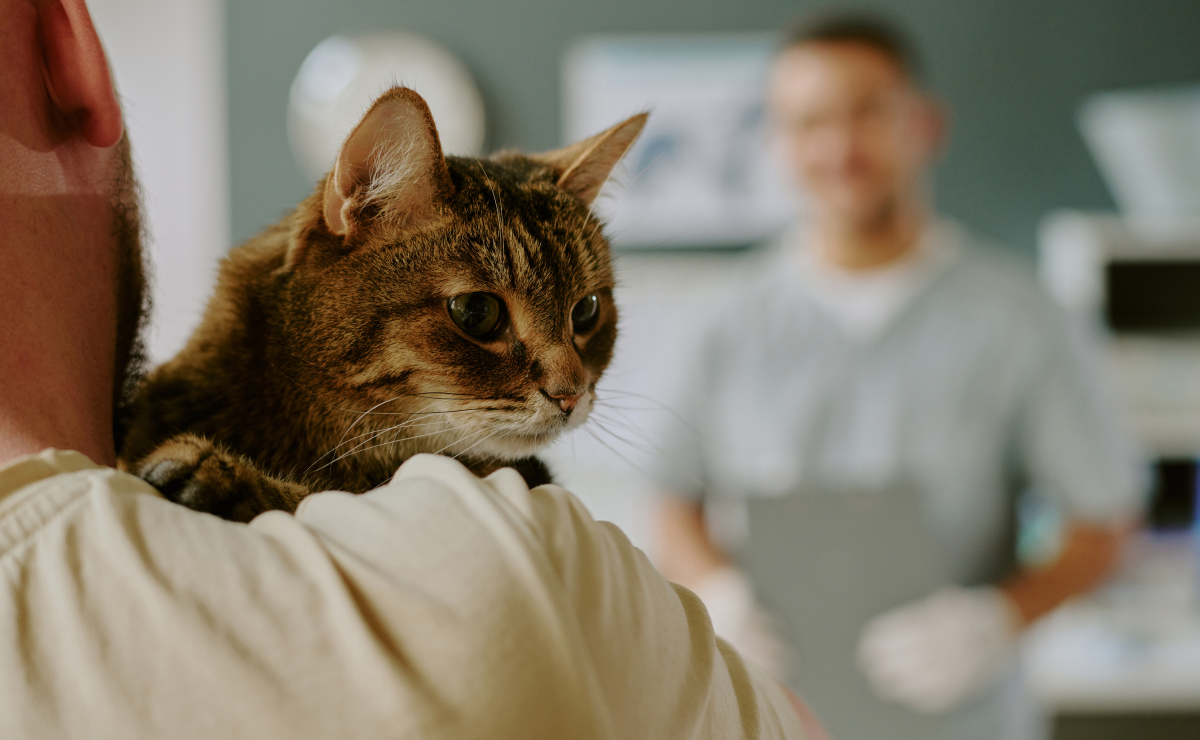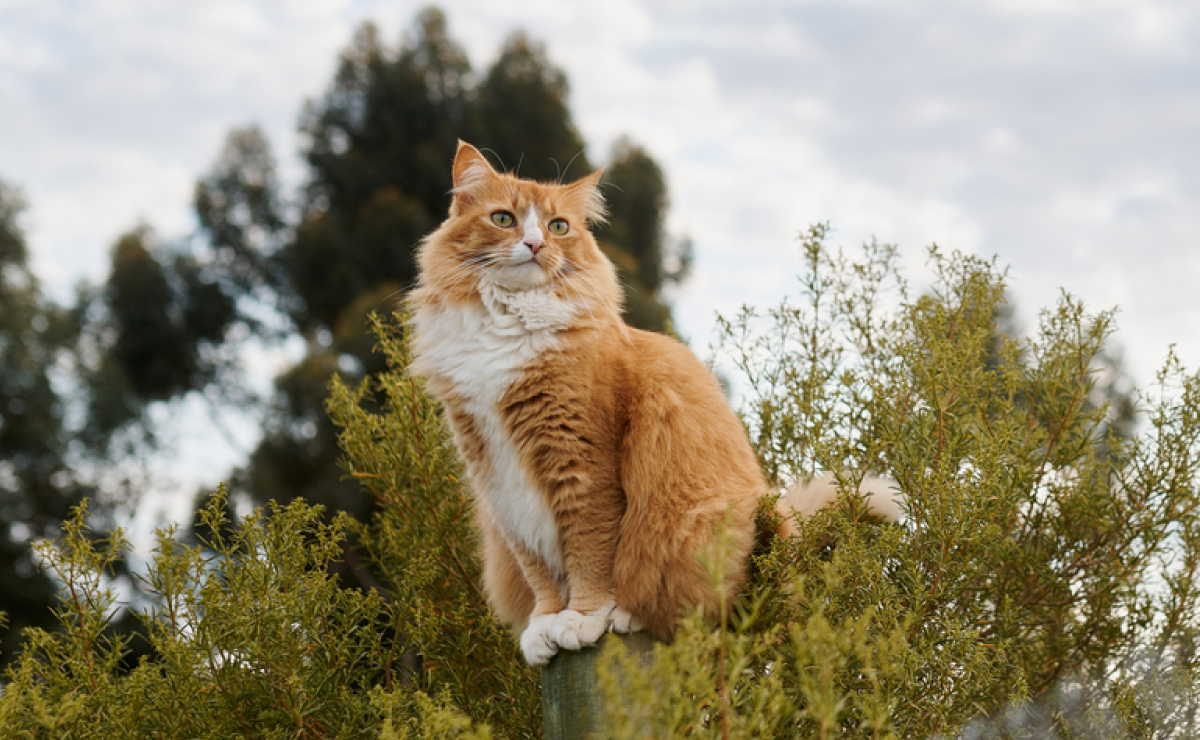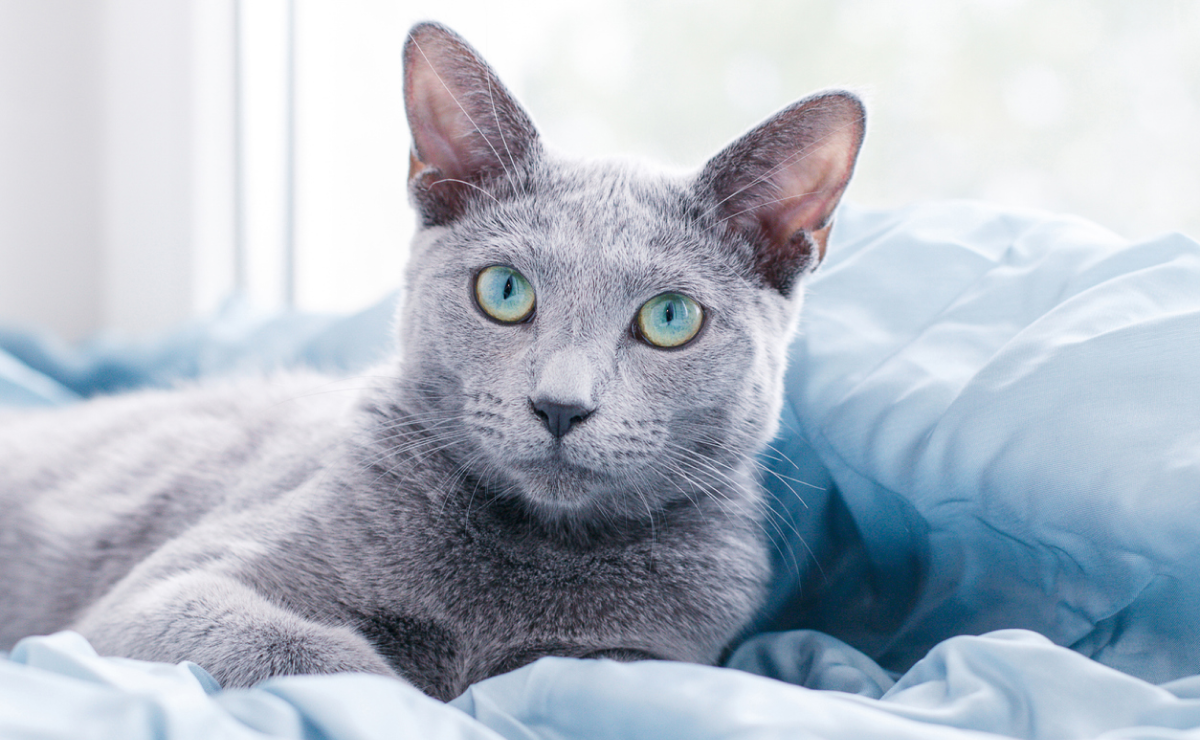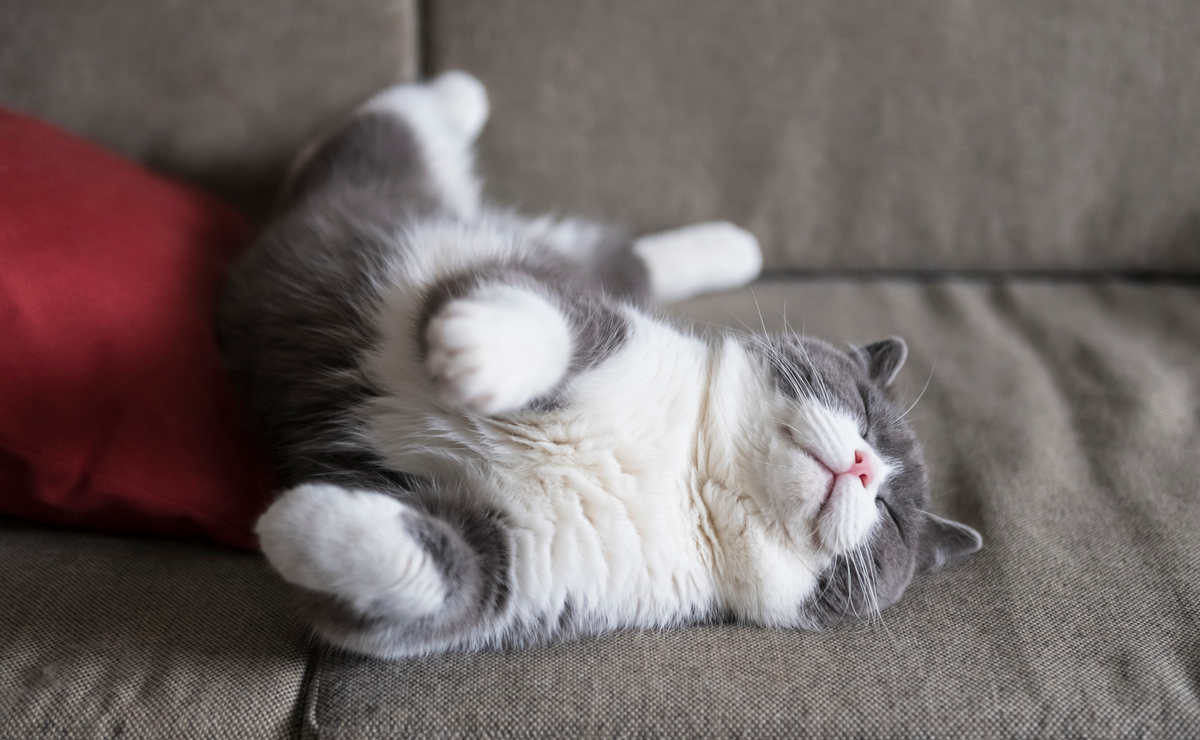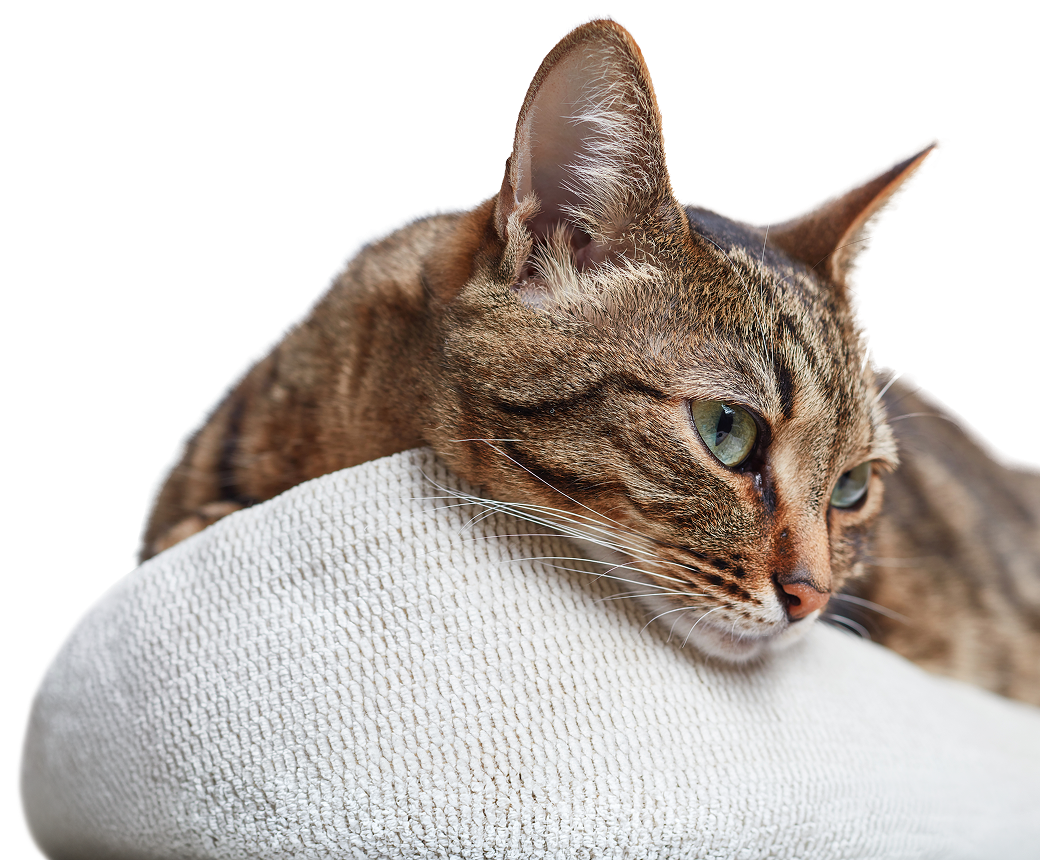
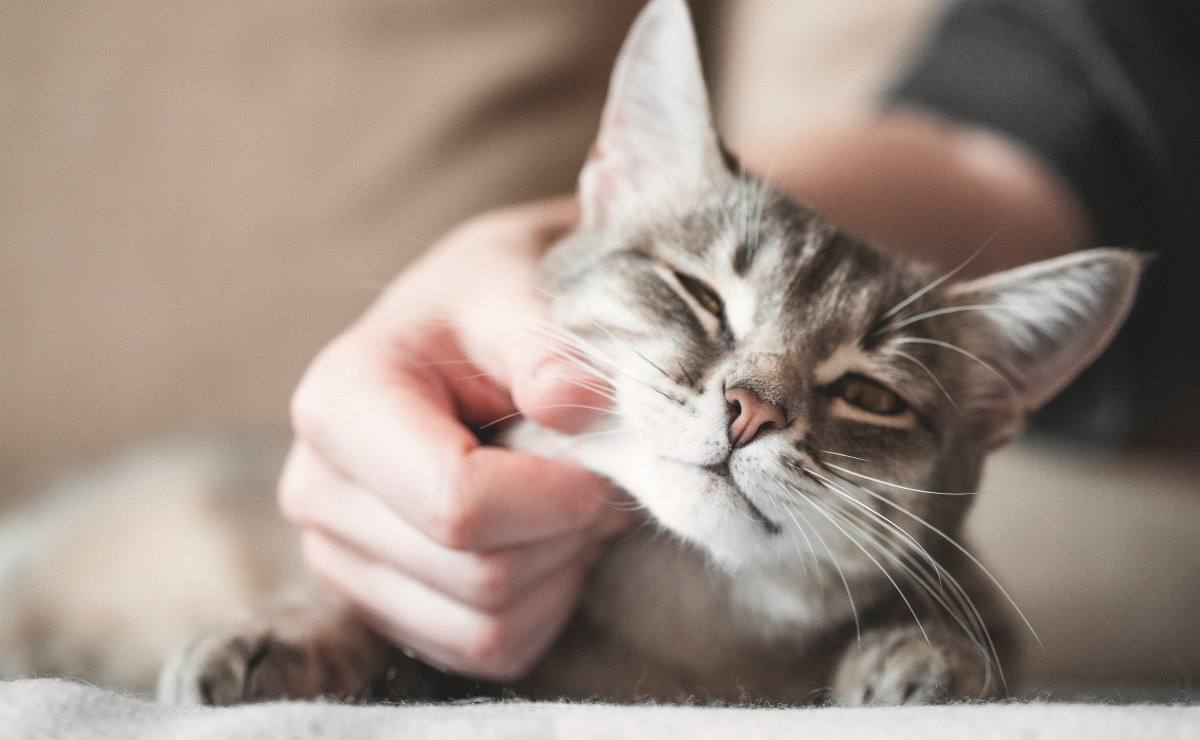
Domestic shorthair

Straightforward pet insurance for your domestic shorthair - so you can focus on the moments that matter.

Domestic shorthair

Pet insurance for your domestic shorthair

Domestic shorthair cats, affectionately known as moggies, are Britain’s most common feline companions. Whilst they are often healthy and adaptable, they can still face health issues such as obesity, Feline Lower Urinary Tract Disease, dental disease and kidney problems. Domestic shorthair pet insurance from Policy Expert can help cover eligible veterinary treatment if your cat falls ill or is injured in an accident.

Your premium will depend on your quote and the cover shown in your schedule. This guide explains their personality, care needs, common health issues and what to check when selecting insurance cover for your moggie.

Pet insurance for your domestic shorthair with Policy Expert

Choosing pet insurance for your domestic shorthair? Here's why Policy Expert could be the right fit for you.

Clear policy details

Your quote will show the premium, cover level, excess and any co-payment that applies. Check these details carefully before buying.

Claim support

Policy Expert provides claims support if your cat needs eligible treatment.

Flexible cover options

 Choose from Bronze, Silver and Gold cover options, each with different annual vet fee limits and benefits.

Domestic shorthair facts

Understanding your domestic shorthair starts with knowing their basic characteristics:

  • Lifespan

    Domestic shorthairs typically live 12-14 years, though many reach their late teens with good care.

  • Weight

    Generally ranges from 3.5 to 5.5 kg, though this varies considerably based on genetics and lifestyle.

  • Colours

    Virtually any colour or pattern imaginable, including tabby, tortoiseshell, black, white, ginger, calico and bi-colour.

  • Temperament

    Highly variable, as these cats are not a standardised breed but rather a diverse population.

  • Grooming

    Low to moderate; their short coat usually requires minimal maintenance.

  • Exercise

    Moderate; they benefit from regular play and mental stimulation.

Domestic shorthair personality and temperament

One of the best things about domestic shorthairs is their incredible diversity. Unlike pedigree breeds with more predictable traits, every moggie has its own unique personality, shaped by genetics and life experiences. Some are outgoing and sociable, while others prefer a quieter life with their favourite person. Many are affectionate with family but can be a little reserved around strangers.

What most domestic shorthairs share is their adaptability and resilience. They're intelligent, enjoy interactive play and can often learn routines or simple tricks. Their mixed heritage also gives them balanced temperaments and generally robust health, without some of the extreme characteristics seen in more specialised breeds.

Health conditions commonly seen in domestic shorthairs

Whilst domestic shorthairs are generally healthy cats, they can still be prone to certain health conditions, including:

  • Obesity

    A common issue that can increase the risk of diabetes, joint problems and reduce quality of life.

  • Feline Lower Urinary Tract Disease (FLUTD)

    A group of conditions affecting the bladder and urethra.

  • Kidney disease

    More common in older cats and may require ongoing management.

  • Dental disease

    Periodontal disease is common without regular dental care.

  • Upper respiratory infections

    More likely in cats with outdoor access or those living in multi-cat households.

Are they covered under pet insurance?

Policy Expert may cover eligible treatment for new illnesses or injuries, including some common cat conditions, provided the claim meets the policy terms, limits and exclusions and the condition is not pre-existing.

Do I need pet insurance for domestic shorthair?

Pet insurance is not a legal requirement in the UK, but it can help with eligible unexpected vet fees if your cat falls ill or is injured in an accident. Whilst domestic shorthairs are generally considered hardy and adaptable, they are still susceptible to common feline conditions – including obesity, Feline Lower Urinary Tract Disease (FLUTD), dental disease and kidney problems, particularly as they get older.

Pet insurance for domestic shorthair can help with eligible vet bills, which may make treatment costs easier to manage. Claims are subject to your schedule, annual limits, excess, co-payment and exclusions. You should still check what you would need to pay yourself, including any excess, co-payment, excluded treatment or costs above the annual limit.

How much does pet insurance cost for your domestic shorthair?

Policy Expert offers Lifetime Bronze, Silver and Gold pet insurance options. Your premium will depend on your cat's age, where you live, your chosen cover level, excess, co-payment and the details shown in your quote and schedule.

  • Policies generally fall into these categories:
  • Bronze cover

    Vet fee limits of £2,000 or £4,000.

  • Silver cover

    Vet fee limits of £5,000 or £7,500.

  • Gold cover

    Vet fee limits of £10,000 or £15,000.

What does pet insurance for domestic shorthair cover?

Policy Expert cat insurance can help with vet fees for accidents and illnesses, up to the annual limit shown in your schedule. This may include diagnostic tests, surgery, hospitalisation, prescription medication and specialist treatment, where the claim meets the policy terms. Domestic shorthairs can live well into their late teens, and conditions such as kidney disease and dental disease become increasingly common in older cats - making it worth reviewing your cover level as your cat ages.

  • A purple tick
    Complementary treatment

    Is not included with Bronze. Silver includes up to £1,000 and Gold up to £2,000, where treatment meets the policy requirements.

  • A purple tick
    Dental cover

    Bronze excludes dental care, Silver covers dental care for accidents up to £2,000, and Gold covers dental care for accidents and illness up to £2,000, subject to policy terms. Dental disease is one of the most frequently seen conditions in domestic shorthairs, so dental cover is worth factoring into your choice of tier.

  • A purple tick
    Farewell cover

    May be available if shown on your schedule. Where included, it can cover the original purchase or donation price if your pet passes away, subject to limits and exclusions.

  • A purple tick
    Missing pet cover

    Is included with Silver and Gold, with up to £50 for local advertising and up to £250 as a reward. It is not included with Bronze.

Our pet insurance expert says...

"Dynamic, sociable and full of fun, the mischevious 'moggy', also know as the domestic shorthair cat, can bring plenty of personality to almost every home. Curious and playful, they make ever day an exciting adventure. And the right pet insurance can give you confidence to let them explore and be themselves, knowing you have the right support should they ever need veterinary care."

Linda Crichton, Chief Service and Operations Officer

What is not covered?

Standard exclusions apply across most pet insurance policies, so always read your policy documents carefully. For Policy Expert, key exclusions include:

  • A cross
    Pre-existing conditions are not covered

    This includes health issues, concerns, illnesses, injuries, signs or symptoms known before the policy started, medically linked conditions and bilateral conditions. Any conditions that develop before your policy starts would be excluded from cover.

  • A cross
    Routine treatments are not covered

    Including vaccinations, regular health and dental check-ups, and tests or treatments that are preventative or cosmetic in nature. Regular dental care is particularly important for domestic shorthairs given their susceptibility to periodontal disease, but these routine costs fall outside the scope of pet insurance.

  • A cross
    Behavioural treatment

    Is excluded under Bronze. Silver and Gold include up to £1,000 where the behaviour change is caused by a mental or emotional disorder diagnosed by a vet.

  • A cross
    Injuries in the first 48 hours

    There is no cover for injuries in the first 48 hours of the policy or illnesses in the first 14 days. Treatment costs above the relevant policy limit are not covered.

  • A cross
    Pregnancy and breeding-related costs

    Are not covered, nor are cosmetic procedures.

What information do I need to get a quote for my domestic shorthair?

To get a quote, you'll need to provide some accurate information about your cat. If you are unsure how to describe your cat, consult any information available from your vet, rescue centre, or previous owner. It is your responsibility to answer the questions accurately and provide complete and correct information for your insurance quote.

Be prepared with the following details: 

  • Your cat's age - the exact date of birth if known, or an estimate.

  • Purchase price or adoption fee, if applicable.

  • Medical history  - details of any previous illnesses, injuries or ongoing conditions, which for Domestic Longhairs may include skin conditions, urinary issues or dental disease.

  • Microchip status.

  • Neutering status - neutering can affect weight management, which is a common health consideration for domestic shorthairs.

  • Your postcode, as veterinary costs vary by location.

  • Your contact details.

  • Once you get your quote, take a look at the premium, cover level, annual limit, excess, co-payment and exclusions before making your decision.

Can I get pet insurance if my domestic shorthair has a pre-existing condition?

Your domestic shorthair has a pre-existing condition? Don't worry – you can still get pet insurance. Just bear in mind that the specific condition won't be covered. We define pre-existing conditions as any illnesses, injuries or symptoms that appeared before your policy started or during the waiting period.

Here's the positive part: your policy will cover any new, unrelated conditions that develop after your cover begins.

Domestic shorthair FAQs

Are domestic shorthairs affectionate cats?

They can be, but it depends on the individual cat. Some domestic shorthairs are confident lap cats, while others are more independent and prefer attention on their own terms. Their personality is shaped by genetics, early experiences and day-to-day handling.

Are domestic shorthairs high maintenance?

Generally, no. Their short coats are usually easy to care for, and weekly brushing is often enough. Like all cats, they still need a suitable diet, regular play, mental stimulation, preventative healthcare and prompt veterinary attention if something seems wrong.


What is the typical lifespan for a domestic shorthair cat?

Domestic shorthair cats typically live between 12 and 14 years, though many reach 15 to 18 years with excellent care. Some even reach 20 years. Indoor cats generally live longer than those with outdoor access, as they face fewer risks from traffic, predators, fights and infectious diseases.


Explore our most popular cat breeds

Pet insurance for domestic longhair

Pet insurance for domestic longhair

Learn about the friendly and adaptable domestic longhair, including their personality, care needs and whether they're the right cat for your home.

Pet insurance for Russian blue

Pet insurance for Russian blue

Discover the elegant russian blue, known for its affectionate nature, intelligence and low-maintenance coat.

Pet insurance for British shorthair

Pet insurance for British shorthair

Discover the calm and affectionate british shorthair, including their personality, grooming needs and common health considerations.