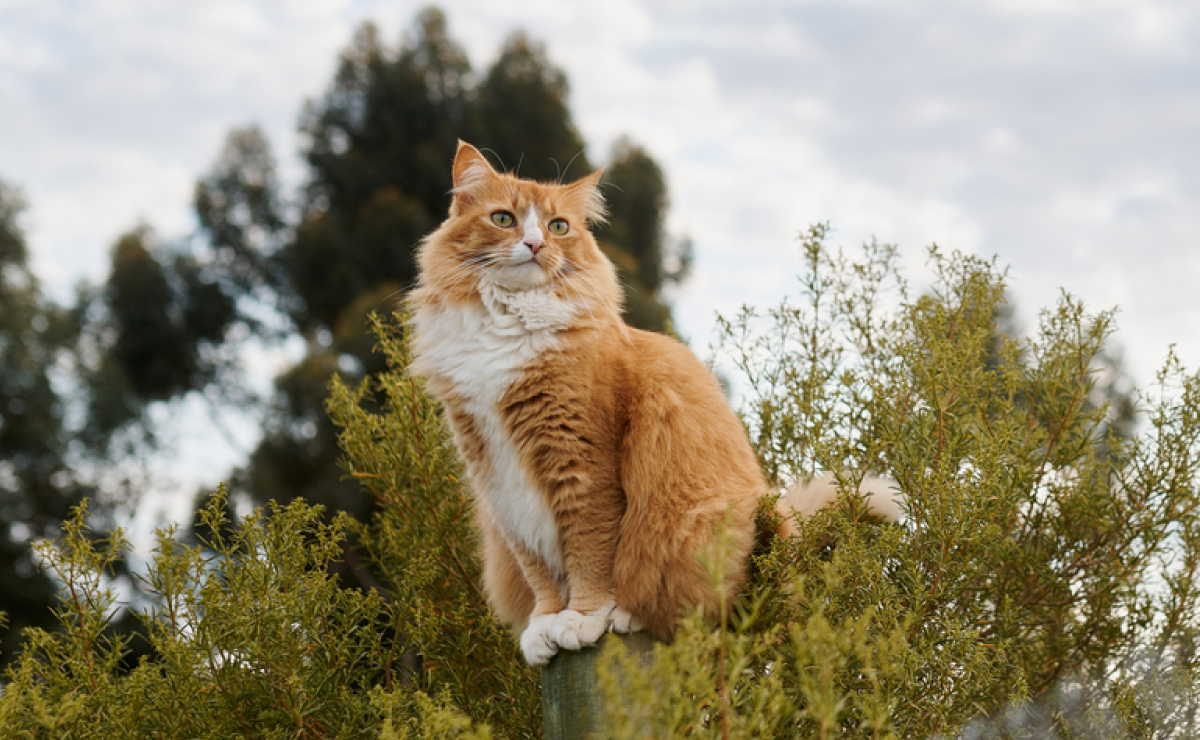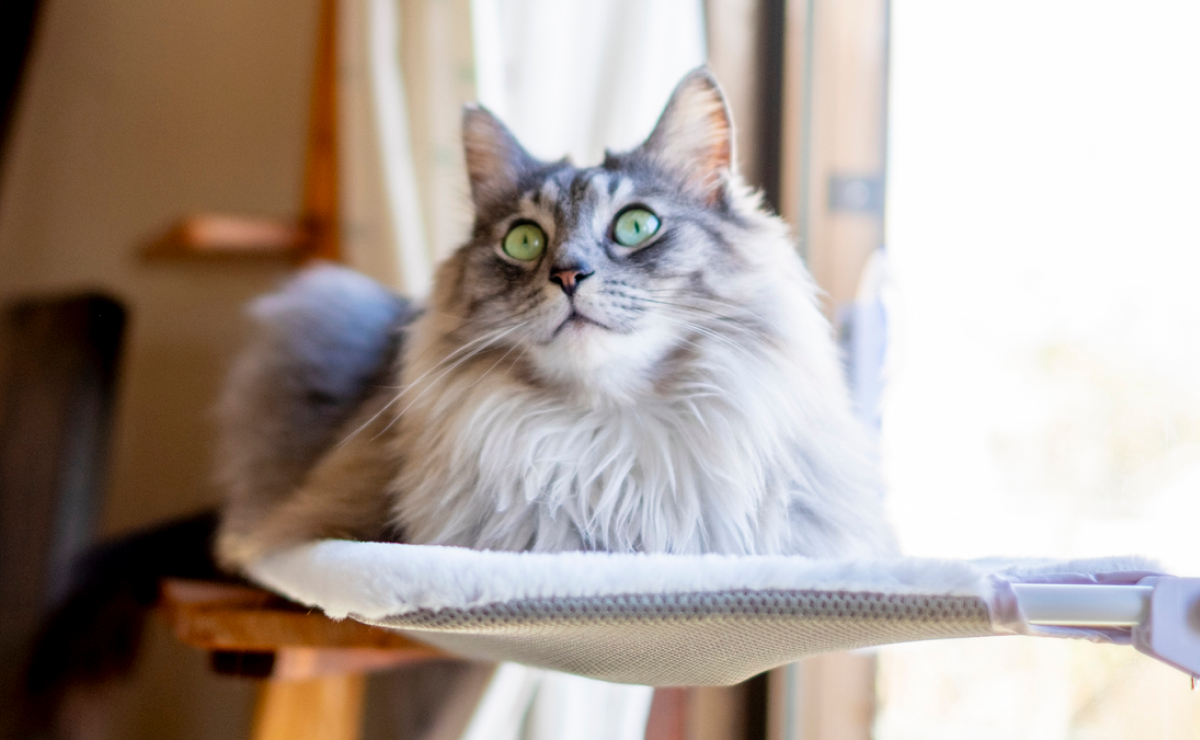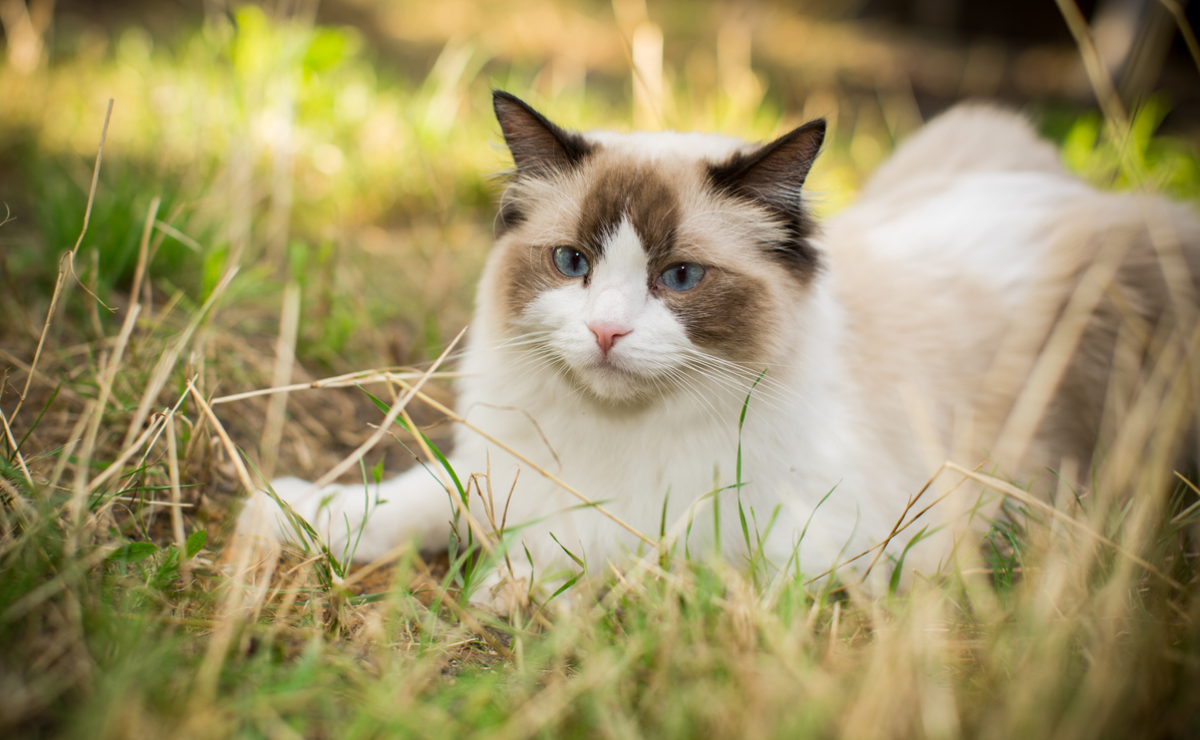
Domestic longhair

Every domestic longhair is beautifully unique, with their own distinct coat, personality, and health needs.

Domestic longhair

Pet insurance for your domestic longhair

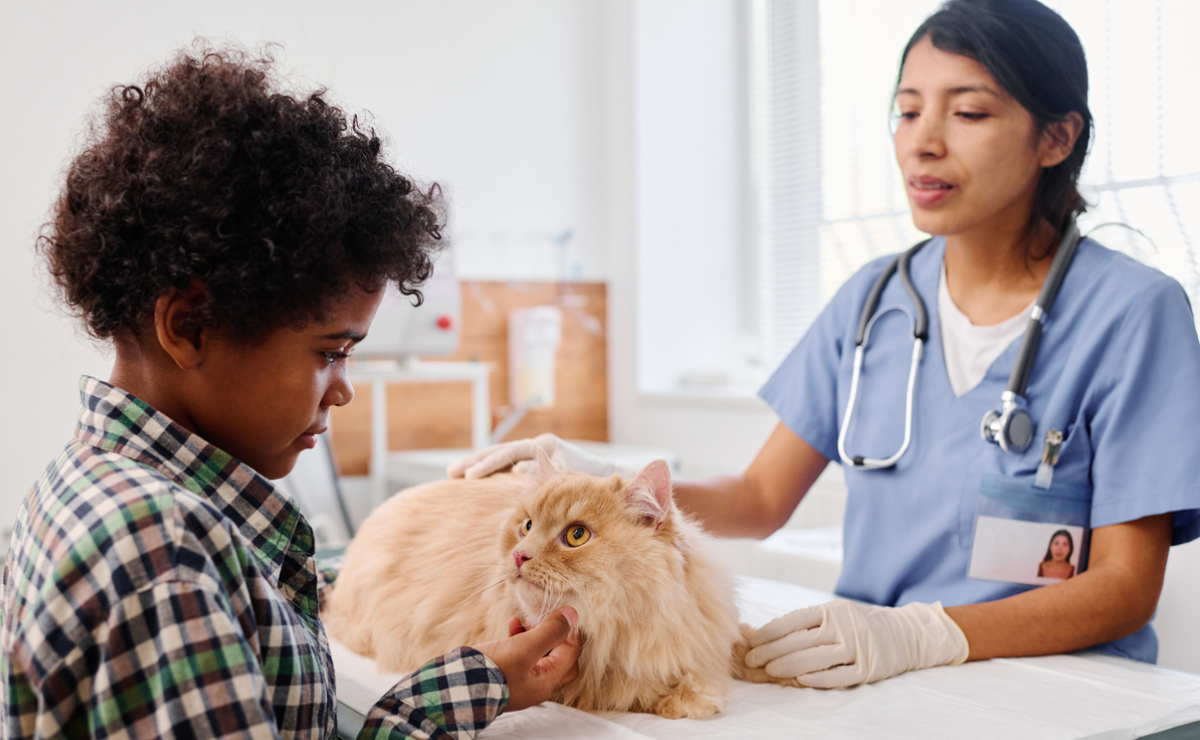
Pet insurance can help with eligible veterinary costs if your cat becomes ill or is injured, subject to your policy schedule.

Domestic longhair cats are typically mixed-ancestry rather than a recognised pedigree breed. Their appearance, coat and health needs can vary, so it's important to consider your cat's age, lifestyle and medical history when choosing cover. This guide explains their care needs, common health concerns and how cat insurance can help with eligible treatment costs.

Pet insurance for your domestic longhair with Policy Expert

Choosing pet insurance for your domestic longhair? Here is why Policy Expert is the right fit for you:

Lifetime cover

Policy Expert pet insurance is a lifetime policy, meaning limits refresh each year as long as the policy is renewed without a break.

Claim support

Policy Expert provides claims support if you need to claim. You'll need to provide the information, evidence and help required to assess the claim.

Flexible cover options

 Choose from Bronze, Silver and Gold cover options, each with different annual vet fee limits and benefits.

Domestic longhair facts

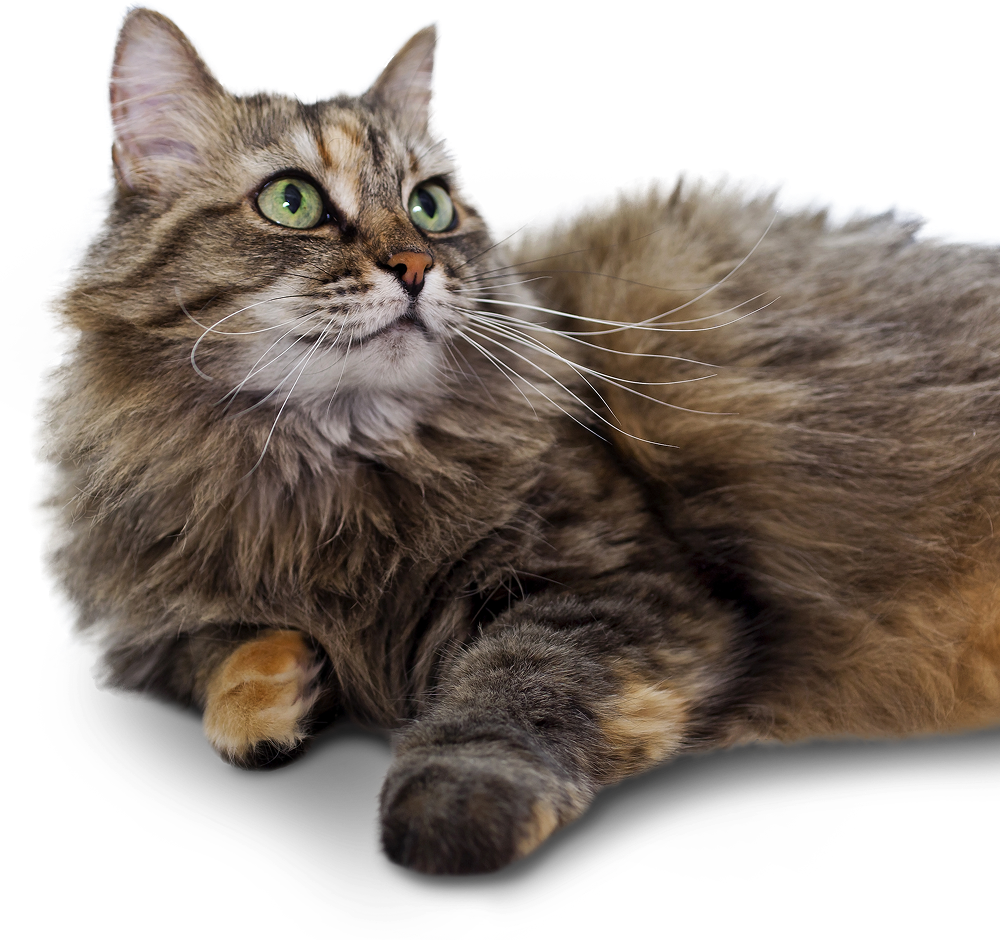
Domestic longhairs can be wonderfully varied because they are usually defined by coat length rather than pedigree. That means two domestic longhairs can look and behave quite differently.

  • Breed type

    Mixed-ancestry or non-pedigree cats with semi-long or long coats.

  • Lifespan

    Many cats live into their teens with good care, although lifespan varies by individual health, lifestyle and genetics.

  • Weight

    Adult weight varies widely. Your vet can help you understand your cat's ideal body condition.

  • Colours

    Domestic longhairs can appear in almost any colour or pattern, including black, white, tabby, tortoiseshell, ginger, grey and colourpoint markings.

  • Grooming

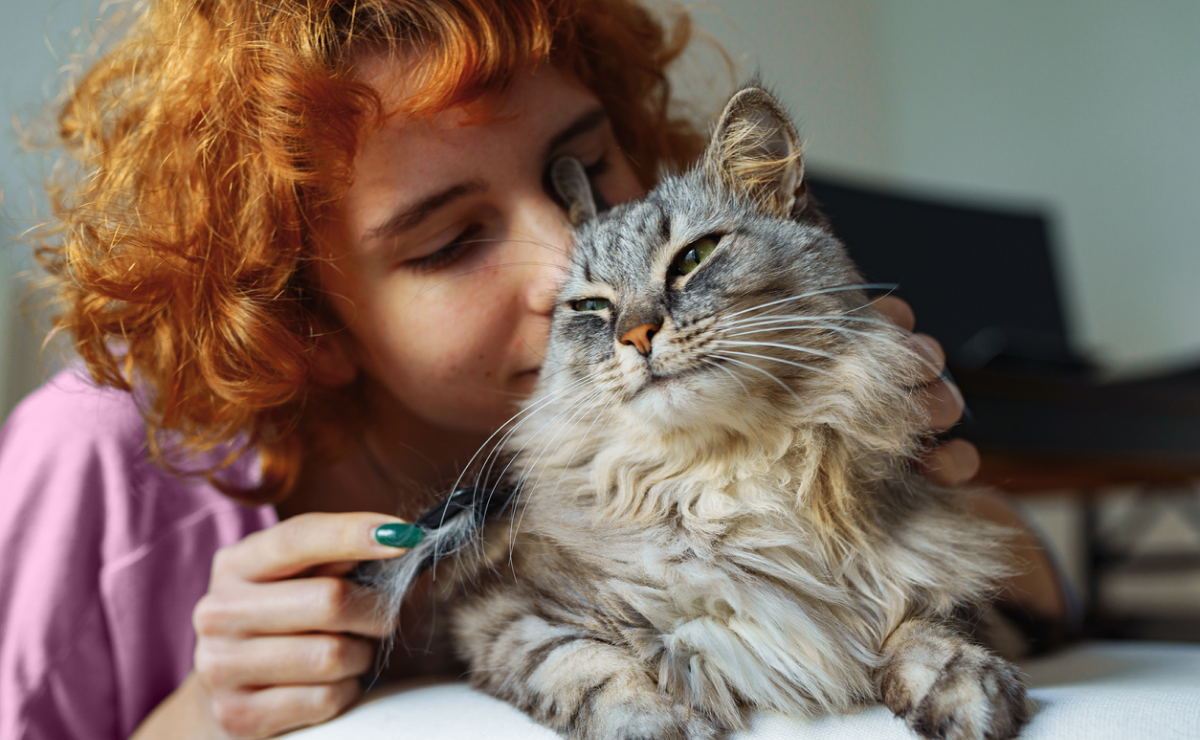
    Their longer coat usually needs regular brushing to prevent tangles and mats.

  • Exercise

    Needs vary, but most benefit from daily play, scratching posts and climbing spaces.

Domestic longhair personality and temperament

Domestic longhairs have individual personalities rather than a typical breed temperament. Some are confident and sociable, while others are shy, independent or take longer to trust. Once they feel safe, many become affectionate companions.

Because every domestic longhair is different, it's important to understand your cat's own preferences and routine. Gentle handling, regular play, scratching posts and other enrichment can help keep them happy, active and mentally stimulated.

Health conditions commonly seen in domestic longhair

Domestic longhairs are not tied to one pedigree health profile, but they can still develop the same health issues seen in many cats. Longer coats can also make it harder to spot changes in weight, skin condition or lumps unless you groom and handle your cat regularly.

  • Dental disease

    Regular dental checks and at-home care can help reduce the risk of gum disease.

  • Obesity

    Long coats can hide weight gain, so regular body condition checks are useful.

  • Hairballs and matting

    Longer coats can lead to hairballs, tangles and painful mats if grooming is missed.

  • Urinary issues

    Like all cats, domestic longhairs can develop urinary tract problems that may need prompt veterinary treatment.

  • Arthritis

    Particularly in older cats, joint problems can develop.

  • Skin problems

    Fleas, allergies or trapped debris in the coat can irritate the skin.

Are they covered under pet insurance?

Treatment for these conditions may be covered if it is eligible veterinary treatment for a new illness and the claim meets the policy terms, limits and exclusions. Taking out cover before symptoms appear may reduce the risk of a condition being treated as pre-existing, but future claims must still meet the policy terms.

Do I need pet insurance for my domestic longhair?

Pet insurance is not a legal requirement in the UK, but it can help with eligible unexpected vet fees if your cat falls ill or is injured. Because domestic longhairs are mixed-ancestry cats, their health profile varies from cat to cat – but their longer coats can make it harder to spot changes in weight, skin condition or underlying lumps unless you groom and handle your cat regularly.

Pet insurance for your domestic longhair can help make eligible treatment costs easier to manage, subject to your schedule, annual limits, excess, co-payment and exclusions. Insurance may reduce the impact of eligible vet bills, but you should still check what you would need to pay yourself.

How much does pet insurance for domestic longhair cost?

The cost of insuring your domestic longhair varies based on factors such as your cat's age, where you live, the cover level you choose and your selected excess.

  • Policies generally fall into these categories:
  • Bronze cover

    Vet fee limits of £2,000 or £4,000.

  • Silver cover

    Vet fee limits of £5,000 or £7,500.

  • Gold cover

    Vet fee limits of £10,000 or £15,000.

What does pet insurance for domestic longhair cover?

  • A purple tick
    Vet fees

    Your Policy Expert cat insurance helps with eligible vet bills for accidents and illnesses, up to your annual limit. Because domestic longhairs vary widely in their individual health needs, it is worth choosing a cover level that reflects your cat's age, lifestyle and medical history rather than assuming a single breed health profile.

  • A purple tick
    Complementary treatment

    Complementary treatment is not included with Bronze. Silver includes up to £1,000 and Gold up to £2,000, where treatment meets the policy requirements.

  • A purple tick
    Dental cover

    Bronze excludes dental care, Silver covers dental care for accidents up to £2,000, and Gold covers dental care for accidents and illness up to £2,000, subject to policy terms.

  • A purple tick
    Farewell cover

    May be available if shown on your schedule. Where included, it can cover the original purchase or donation price if your pet passes away, subject to limits, age conditions and exclusions.

  • A purple tick
    Emergency boarding

    Is included with Silver and Gold only, subject to the hospital stay and other policy conditions. Silver provides up to £600 and Gold up to £1,200.

  • A purple tick
    Missing pet cover

    Is included with Silver and Gold, with up to £50 for local advertising and up to £250 as a reward. It is not included with Bronze.

  • A purple tick
    Holiday cover

    Is optional with Silver and included with Gold. It applies in PETS travel scheme countries and can include eligible vet fees abroad and up to £2,000 for holiday cancellation or cutting short your trip, subject to policy terms.

Our pet insurance expert says...

“Domestic longhairs can be affectionate, characterful cats, but their longer coats need regular care and brushing to keep them looking their best. While you may sometimes feel harrassed by their fur, you can have peace of mind that their health and wellbeing is protected if the worst were to happen with our comprehensive insurance cover.”

Linda Crichton, Chief Service and Operations Officer

What is not covered?

Understanding exclusions helps set realistic expectations:

  • A cross
    Pre-existing conditions are not covered

    This includes known health issues, signs or symptoms, existing illnesses or injuries, medically linked conditions, bilateral conditions and certain spinal disc problems. Because domestic longhairs can develop a range of conditions depending on their individual genetics, it is worth taking out cover before any health issues arise.

  • A cross
    Routine treatments are not covered

    Including vaccinations, regular health and dental check-ups, and tests or treatments that are preventative or cosmetic in nature. For domestic longhairs, regular grooming and coat maintenance are essential, but these costs fall outside the scope of insurance.

  • A cross
    Pregnancy and breeding

    Pregnancy and breeding costs are not covered, nor are cosmetic procedures.

  • A cross
    Waiting periods

    Conditions that arise during waiting periods are excluded.

  • A cross
    Policy limits

    Costs that exceed the relevant policy limits are not covered.

What information do I need to get a quote for my domestic longhair?

When getting a quote, provide the information requested accurately. If you are unsure how to describe your cat, consult any information available from your vet, rescue centre, or previous owner. It is your responsibility to answer the questions accurately and provide complete and correct information for your insurance quote.

Be prepared with the following details: 

  • Your cat's age - the exact date of birth if known, or an estimate.

  • Purchase price or adoption fee, if applicable.

  • Medical history - details of any previous illnesses, injuries or ongoing conditions, which for domestic longhairs may include skin conditions, urinary issues or dental disease.

  • Microchip status.

  • Neutering status.

  • Your postcode, as veterinary costs vary by location.

  • Your contact details.

  • Request a quote and check the premium, cover level, annual limit, excess, co-payment and exclusions before buying.

Can I get pet insurance if my domestic longhair has a pre-existing condition?

Got a domestic longhair with a pre-existing condition? You can still get pet insurance - but that particular condition won't usually be covered. Pre-existing conditions are any illnesses, injuries or symptoms that showed up before your policy began or during the waiting period.

Your policy will still cover any new, unrelated conditions that develop once your cover starts.

Domestic longhair FAQs

Do domestic longhair make good pets?

Yes, domestic longhairs can make excellent pets. Their personalities vary, but many are affectionate, playful and adaptable. As with any cat, a good match depends on the individual cat's temperament, your home environment and the time you can give to grooming and enrichment.


Are domestic longhair cats hypoallergenic?

No cat is truly hypoallergenic. Domestic longhairs can still produce allergens found in saliva, skin and dander. Their longer coat may also hold loose hair and dander, so regular grooming and cleaning can help manage allergens, but it will not remove them completely.


Are domestic longhair high maintenance?

They are usually more grooming-intensive than short-haired cats. Many need brushing several times a week, and some need daily attention during shedding seasons. Apart from coat care, their needs are similar to other cats: a balanced diet, routine vet care, play, companionship and a safe environment.


Explore our most popular cat breeds

Ragdoll insurance

Ragdoll insurance

Discover the gentle and affectionate Ragdoll, including their laid-back personality, grooming needs and common health considerations.

Russian Blue insurance

Russian Blue insurance

Discover the elegant Russian Blue, known for its affectionate nature, intelligence and low-maintenance coat.

British shorthair insurance

British shorthair insurance

Discover the calm and affectionate British Shorthair, including their personality, grooming needs and common health considerations.