British shorthair

Plush coats, round faces, and absolute loyalty. British shorthairs deserve the best.

British shorthair

Pet insurance for your British shorthair

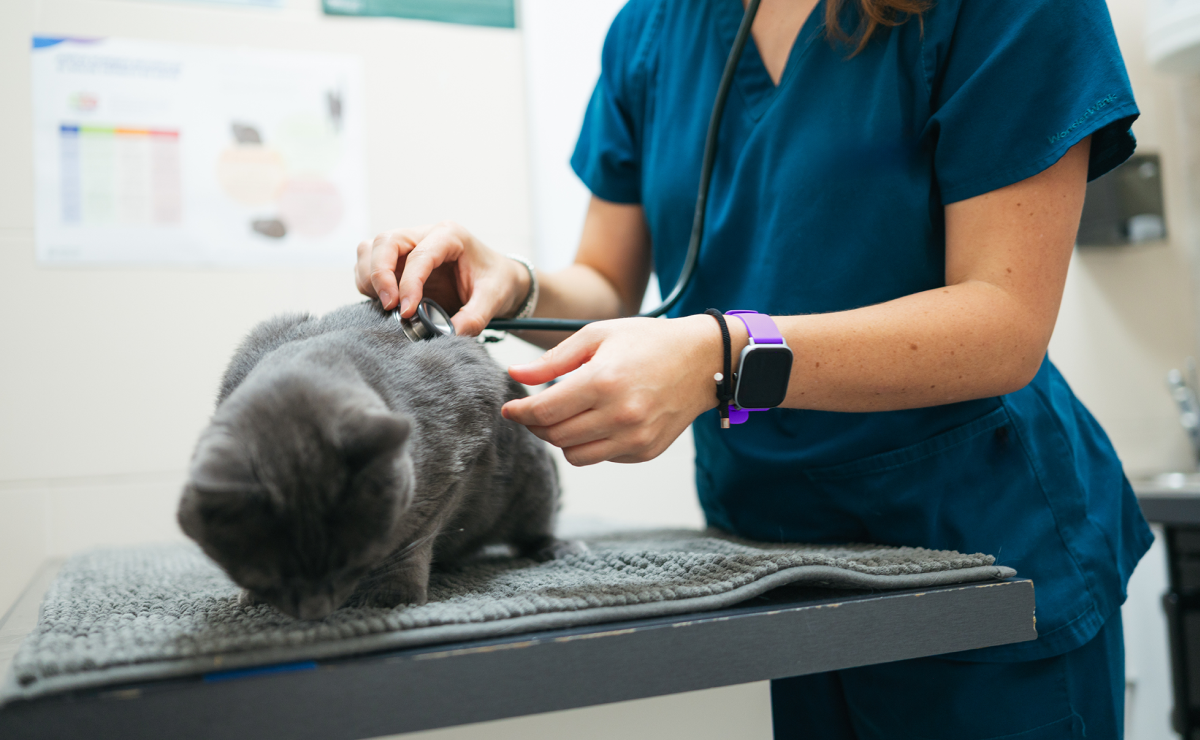
British shorthair pet insurance can help with eligible veterinary costs if your cat becomes ill or has an accident, up to the limits shown in your policy schedule and subject to the policy terms and exclusions. British shorthairs can be more prone to certain hereditary conditions, such as hypertrophic cardiomyopathy and polycystic kidney disease. Depending on your cover, eligible diagnostic tests may also be included. 

Your premium is based on your cat's details, the cover you choose, and the terms shown in your policy schedule.

Pet insurance for your British shorthair with Policy Expert

When selecting pet insurance, Policy Expert offers several compelling advantages. Here are a few reasons people choose Policy Expert for their pet insurance needs:

Lifetime cover

Policy Expert pet insurance is a lifetime policy, meaning limits refresh each year as long as the policy is renewed without a break.

Clear quote details

Your quote and schedule will show the premium, cover level, annual limit, excess and any co-payment that applies.

Flexible cover options

 Choose from Bronze, Silver and Gold cover options, each with different annual vet fee limits and benefits.

British shorthair facts

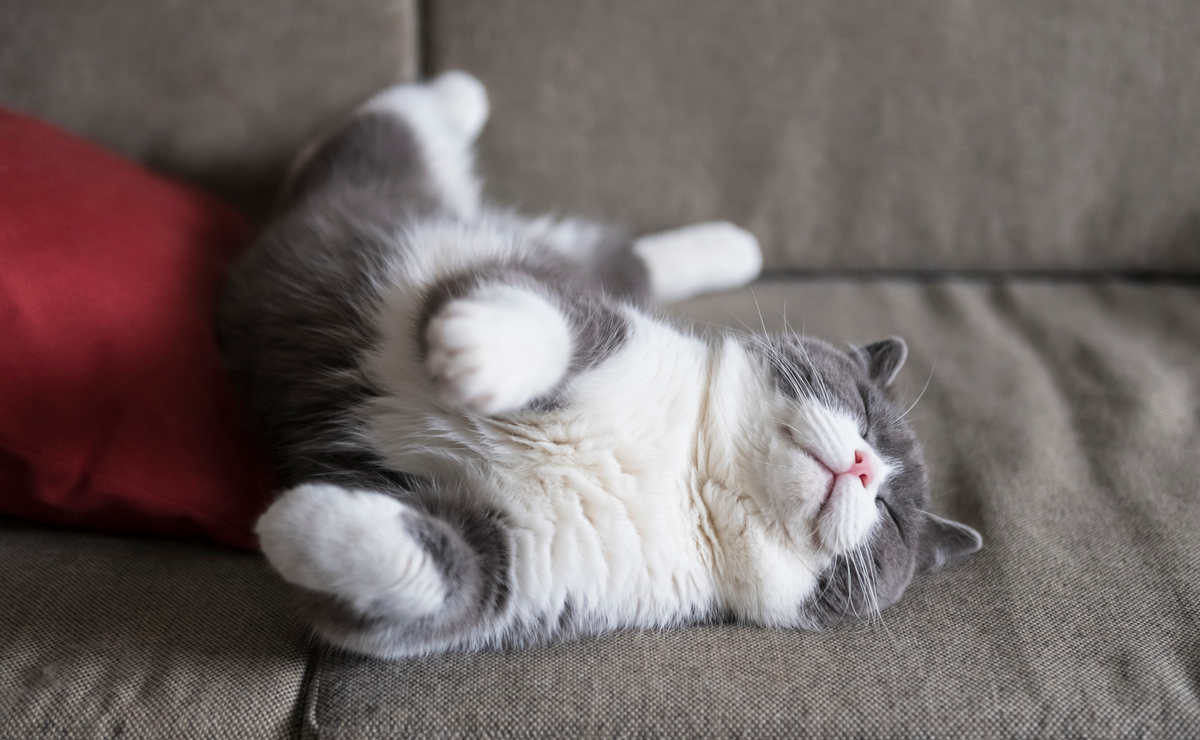
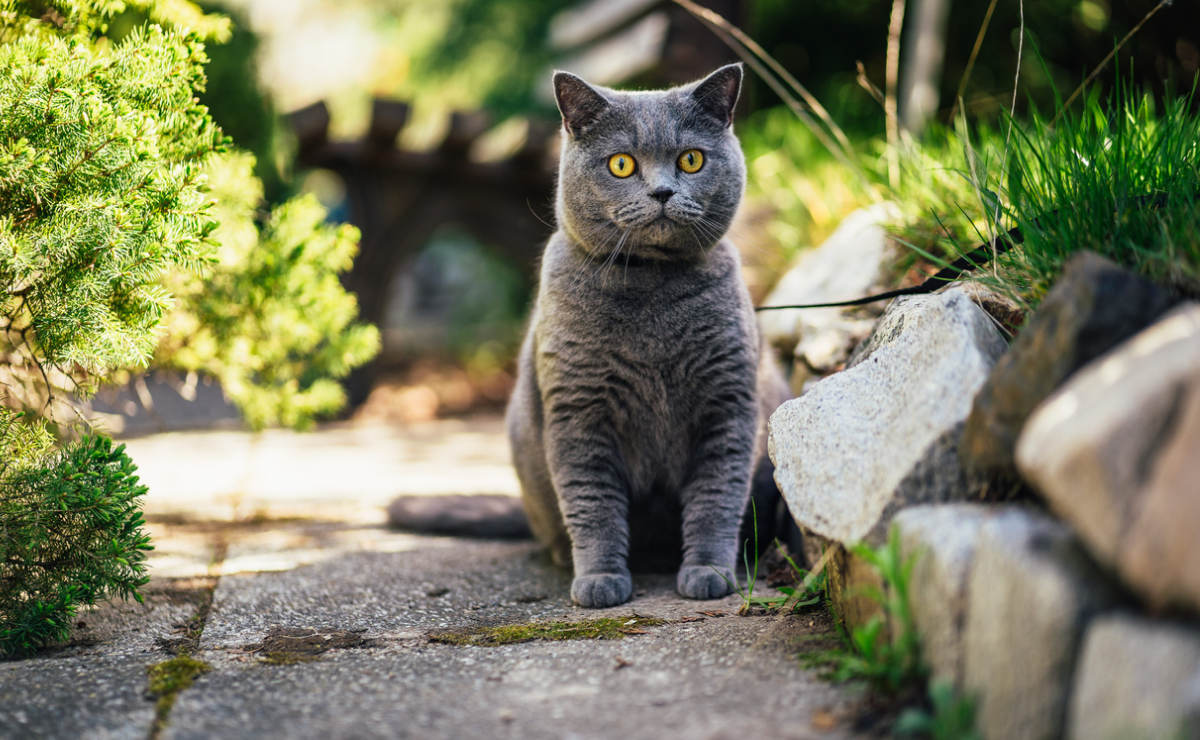
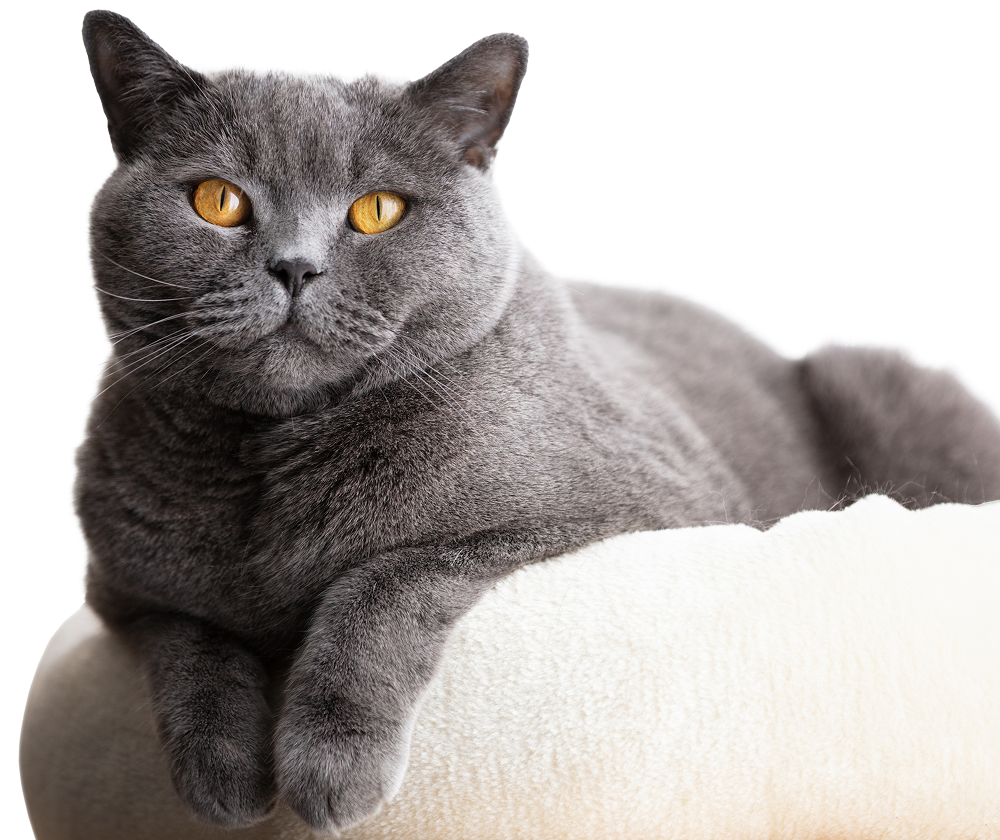
British shorthairs are one of the largest domestic cat breeds, and their physical characteristics are quite distinctive:

  • Lifespan

    12-20 years, with many living well into their late teens.

  • Weight

    Males typically weigh 5-8 kg, females 3-6 kg.

  • Colours

    British blue is most famous, but they come in over 100 colour variations including black, white, cream, tortoiseshell, and various tabby patterns.

  • Grooming

    Moderate needs despite their dense coat.

  • Exercise

    Low to moderate activity levels.

British shorthair personality and temperament

The British shorthair is renowned for their laid-back and dignified demeanour. These cats aren’t typically lap cats, but they form strong bonds with their families and enjoy being in the same room as their humans. They’re patient and tolerant, making them excellent companions for households with children or other pets.

Unlike some vocal breeds, British shorthairs are relatively quiet. They prefer to communicate through subtle body language and gentle purring. Their independent nature means they cope well when left alone during the day, though they still appreciate attention and playtime when you’re home. This breed matures slowly, often retaining kitten-like playfulness until around three years old.

Health conditions commonly seen in British shorthairs

Whilst British shorthairs are generally robust cats, they can be predisposed to certain health conditions. Common health concerns include:

  • Hypertrophic Cardiomyopathy (HCM)

    A heart condition causing thickening of the heart muscle.

  • Polycystic Kidney Disease (PKD)

    Inherited condition causing cysts to develop on the kidneys.

  • Obesity

    Their stocky build and calm nature can make weight gain a concern.

  • Diabetes

    Often linked to obesity, this metabolic disorder requires ongoing management.

  • Arthritis

    Particularly in older cats, joint problems can develop.

Are they covered under Pet insurance?

Treatment for these conditions may be covered if it is eligible veterinary treatment for a new illness and the claim meets the policy terms, limits and exclusions. Taking out cover before symptoms appear may reduce the risk of a condition being treated as pre-existing, but future claims must still meet the policy terms.

Do I need pet insurance for British shorthair?

You don't legally need pet insurance in the UK, but it can help cover unexpected vet bills if your British shorthair gets ill or injured. These cats often live into their late teens, and conditions such as hypertrophic cardiomyopathy (HCM), polycystic kidney disease (PKD) and obesity-related issues like diabetes can develop over time. Vet treatment costs can add up, particularly if ongoing management is needed. Pet insurance helps make eligible treatment costs more manageable.

Find out how much cover for your British shorthair could cost.

How much does pet insurance for British shorthair cost?

The cost of insuring your British shorthair depends on the information requested during the quote process, your chosen cover level and the details shown in your schedule.

  • Policies generally fall into these categories:
  • Bronze cover

    Vet fee limits of £2,000 or £4,000.

  • Silver cover

    Vet fee limits of £5,000 or £7,500.

  • Gold cover

    Vet fee limits of £10,000 or £15,000.

What does pet insurance for British shorthair cover?

  • A purple tick
    Vet fees

    We'll help with eligible vet fees for accidents and illnesses through your Policy Expert cat insurance, up to the annual limit in your schedule. British shorthairs are a slow-maturing breed that can be prone to weight gain, which over time raises the risk of diabetes and joint problems - conditions that may need ongoing veterinary management. It's worth choosing a cover level that reflects this.

  • A purple tick
    Complementary treatment

    For complementary treatment, Bronze doesn't offer this. Silver includes up to £1,000 and Gold up to £2,000, where your treatment meets the policy requirements.

  • A purple tick
    Dental cover

    Your dental cover depends on which tier you have. Bronze excludes dental care completely. Silver covers dental treatment for accidents up to £2,000. Gold covers dental care for both accidents and illness up to £2,000, subject to your policy terms.

  • A purple tick
    Farewell cover

    Farewell cover may be part of your policy - check your schedule to confirm. If it's included, we can cover the original purchase or donation price if your pet passes away, subject to limits, age conditions and exclusions. British shorthairs are a popular pedigree breed, so make sure the purchase price is accurately recorded.

  • A purple tick
    Emergency boarding

    Silver and Gold both include emergency boarding and minding, subject to a hospital stay and other policy conditions. You get up to £600 with Silver and up to £1,200 with Gold.

  • A purple tick
    Missing pet cover

    Silver and Gold both include missing pet cover. This includes up to £50 for local advertising and up to £250 as a reward. However, this isn't included with Bronze.

Our pet insurance expert says...

“A popular pedigree across the nation, the British shorthair is known for its plush coat and calm, gentle personality. With their affectionate and loving nature, these beautiful cats can quickly become a much-loved part of the family. Looking after their health and wellbeing is an important part of enjoying the special bond you share, which is where Policy Expert insurance can help.”

Linda Crichton, Chief Service and Operations Officer

What is not covered in pet insurance for British shorthair??

Your pet insurance policy won't cover everything. Here's what's excluded:

  • A cross
    Pre-existing conditions

    This means any health issues your pet had before the policy started, including known problems, symptoms, existing illnesses or injuries, related conditions, bilateral conditions and certain spinal disc issues. For British shorthairs, this is particularly relevant given their predisposition to HCM and PKD. Taking out cover before any symptoms appear gives you the best chance of a new condition being eligible, but all claims will still need to meet the policy terms.

  • A cross
    Routine care

    Routine care isn't included either. That's things like vaccinations, regular health check-ups, dental check-ups, and any preventative or cosmetic treatments. Regular dental care and weight management are important for British shorthairs, but these routine costs fall outside the scope of pet insurance.

  • A cross
    Pregnancy and breeding

    Pregnancy and breeding costs are not covered, nor are cosmetic procedures.

  • A cross
    Behavioural problems

    Bronze policies don't include cover. Silver and Gold policies include up to £1,000 if the behaviour change is caused by a mental or emotional disorder that your vet has diagnosed.

  • A cross
    There's a waiting period

    injuries in the first 48 hours aren't covered, nor are illnesses in the first 14 days. Any costs above your policy limit also aren't covered.

What information do I need to get a quote for my British shorthair?

To get a quote, you'll need to provide some accurate information about your cat. British shorthairs are a recognised pedigree breed, so having your cat's full history and purchase details to hand will help make sure your quote is accurate.

Be prepared with the following details: 

  • Your cat's age and date of birth.

  • Microchip status.

  • Neutering status  - neutering can affect weight management, which is a longer-term health consideration for British shorthairs.

  • Purchase price - British shorthairs from reputable breeders typically command higher prices, so record this accurately for farewell cover purposes.

  • Your postcode, as veterinary costs vary by region.

  • Medical history, including any pre-existing conditions such as HCM or PKD diagnoses.

  • Your preferred coverage level, annual limit and excess amount.

  • Contact details.

Can I get pet insurance if my British shorthair has a pre-existing condition?

Got a British shorthair with a pre-existing condition? You can still get pet insurance - but that particular condition won't usually be covered. Pre-existing conditions are any illnesses, injuries or symptoms that showed up before your policy began or during the waiting period.

The good news? Your policy will still cover any new, unrelated conditions that develop once your cover starts.

British shorthair FAQs

Do British shorthairs make good pets?

Yes! British shorthairs are excellent pets for various households. Their calm temperament suits families with children, their independence works well for people who work full-time, and their affectionate nature means they bond deeply with their owners. They’re not overly demanding and adapt well to indoor living, making them perfect for flat dwellers.


Are British shorthair cats hypoallergenic?

No, British shorthairs are not hypoallergenic. In fact, their dense double coat produces significant dander, which triggers allergies in sensitive individuals. No cat breed is truly hypoallergenic, but British shorthairs are particularly unsuitable for allergy sufferers. Regular grooming and air filtration can help reduce allergens, but they remain present.


Are British shorthairs high maintenance?

No, they’re relatively low maintenance compared to many pedigree breeds. Weekly grooming suffices, they don’t require excessive exercise, and their calm nature means they’re not destructive or overly demanding of attention. However, they do need companionship, mental stimulation, and careful dietary management to prevent obesity. Some British shorthairs can develop ongoing health issues, so insurance may help with eligible vet costs, subject to the policy terms.


Explore our most popular cat breeds

Pet insurance for domestic longhair

Pet insurance for domestic longhair

Learn about the friendly and adaptable Domestic Longhair, including their personality, grooming needs and common health considerations.

Pet insurance for Russian blue

Pet insurance for Russian blue

Discover the elegant Russian Blue, known for its affectionate nature, intelligence and low-maintenance coat.

Pet insurance for domestic shorthair

Pet insurance for domestic shorthair

Explore the playful and easy-going Domestic Shorthair, from their temperament and care needs to common health considerations.