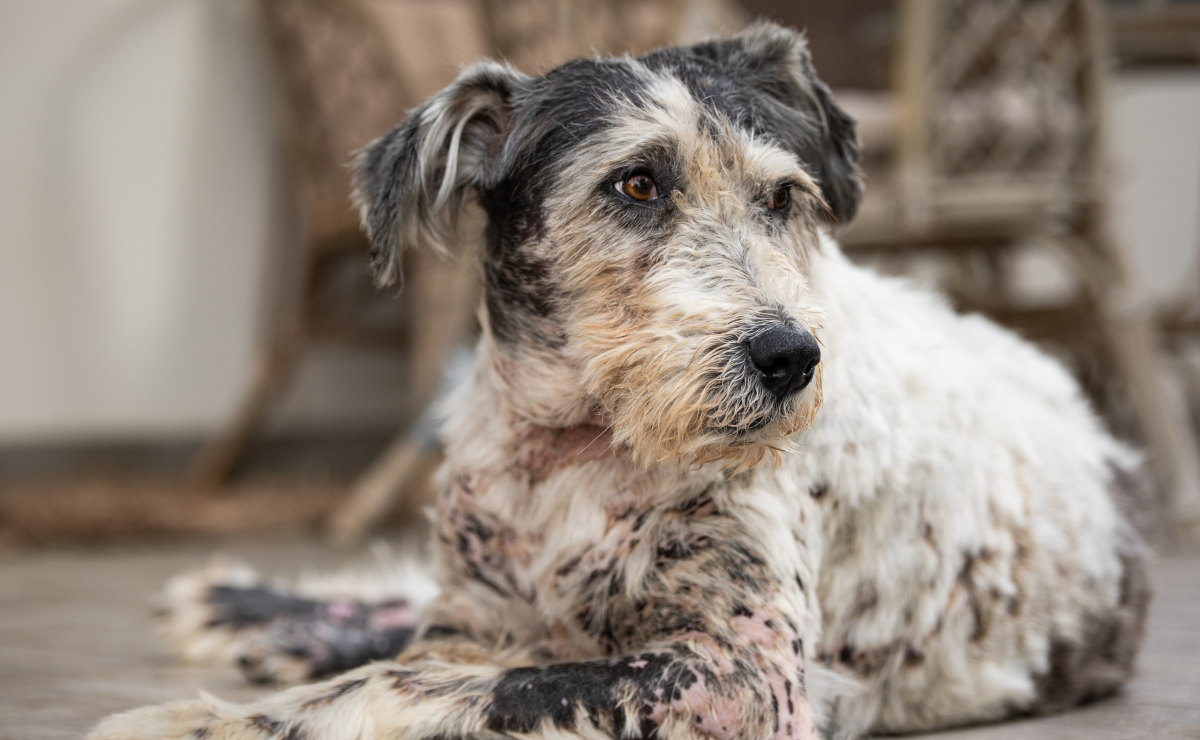

Mixed breed

Choosing the right insurance for your mixed breed dog doesn't have to be complicated.

Mixed breed

Pet insurance for your mixed breed

Pet insurance provides financial protection against veterinary costs when your dog becomes ill or injured. Unlike purebred dogs where health risks are broadly predictable, a mixed breed's inherited conditions can be harder to anticipate - making comprehensive cover particularly valuable.

Policy Expert offers three levels of cover- Bronze, Silver, and Gold - with varying annual vet fee limits shown on your schedule. Your premium will depend on your dog's age, size, postcode, chosen excess, and the level of cover you select. Getting cover in place early, before health issues emerge, means those conditions won't be classed as pre-existing and will be covered for as long as your policy renews.

Pet insurance for mixed breed with Policy Expert

When selecting pet insurance, Policy Expert offers several compelling advantages. Here are a few reasons people choose Policy Expert for their pet insurance needs:

Lifetime cover

Policy Expert pet insurance is a lifetime policy, meaning limits refresh each year as long as the policy is renewed without a break.

Clear quote details

Your quote and schedule will show the premium, cover level, annual limit, excess and any co-payment that applies.

Flexible cover options

 Choose from Bronze, Silver and Gold cover options, each with different annual vet fee limits and benefits.

Mixed breed facts

Understanding your mixed breed dog's characteristics helps you provide better care and choose appropriate insurance cover. Here are key facts:

  • Lifespan

    Many mixed breed dogs enjoy long, healthy lives, with some studies suggesting crossbreeds may live longer than certain purebred dogs.

  • Weight

    Varies enormously depending on parent breeds, ranging from under 10kg to over 40kg.

  • Colours

    Mixed breeds display incredible variety in coat colours and patterns.

  • Temperament

    Personality varies widely but mixed breeds often benefit from diverse genetic backgrounds.

  • Grooming

    Requirements depend entirely on coat type.

  • Exercise

    Exercise needs vary with your dog’s age and health. Ask your vet or a qualified professional for advice tailored to your mixed-breed dog.

  • A shield with a medical cross carved out of it
    Health

    Research indicates mixed breed dogs may show lower rates of certain inherited genetic disorders compared to purebred dogs.

What is a mixed breed dog?

A mixed breed dog is one whose ancestry includes two or more different breeds, often with unknown or partially known lineage. Unlike designer crossbreeds where parent breeds are deliberately selected and known, mixed breeds typically have more complex genetic heritage spanning several generations. These dogs are incredibly common, especially in rescue centres and shelters across the UK.

Health conditions commonly seen in mixed breeds

Whilst mixed breeds generally enjoy better health than many purebreds, they're not immune to health problems. Common conditions include:

  • Hip dysplasia

    Particularly in dogs with larger breed heritage.

  • Obesity

    Can lead to secondary health issues.

  • Dental disease

    Common across all dogs regardless of breeding.

  • Ear infections

    Particularly in dogs with floppy ears.

  • Skin allergies

    Can affect mixed breeds with certain coat types.

  • Arthritis

    More common in older or larger mixed breeds.

What is the difference between mixed breed and crossbreed dogs?

A crossbreed dog has parents that are both purebred but of two different breeds-think Labradoodles or Cockapoos. The parentage is known and often intentional. Mixed breed dogs have more complex heritage; their parents might themselves be mixed breeds, or the lineage is simply unknown. Both types deserve quality insurance protection, and Policy Expert covers them equally.

How to choose the right mixed breed dog for you

Assess your lifestyle honestly. Do you live in a flat or house with a garden? How much time can you dedicate to exercise and training? Mixed breeds come in all sizes and energy levels, so matching the dog to your circumstances is crucial. Visit local shelters and rescue centres where staff can provide valuable insights into each dog's temperament, energy level, and any known health issues.

If you know or can guess the parent breeds, research those breeds' typical characteristics to anticipate potential health issues and exercise requirements. Consider age carefully - puppies require significant time investment whilst older dogs often come house-trained with established personalities. Insurance costs also vary with age.

Do I need pet insurance for a mixed breed?

Pet insurance isn’t a legal requirement in the UK. It helps with eligible vet costs if your dog becomes ill or injured. How much an insurer pays towards a claim depends on the policy’s limits, exclusions, excess and any co-payment.

How much does pet insurance for a mixed-breed dog cost?

The price depends on factors such as your dog’s age, postcode and medical history, as well as the level of cover and excess you choose. Get a quote to see the price based on the details you provide.

Which cover should I get for my mixed breed dog?

Policy Expert offers three levels of pet insurance cover: Bronze, Silver and Gold.

  • Bronze cover

    Bronze offers £2,000 or £4,000 in annual vet fee cover, depending on your schedule - cost-effective cover for owners who want the essentials.

  • Silver cover

    Silver offers £5,000 or £7,500 in annual vet fee cover, depending on your schedule, and adds benefits such as complementary treatment (up to £1,000) and behavioural treatment (up to £1,000) when your vet confirms a mental or emotional disorder.

  • Gold cover

    Gold offers £10,000 or £15,000 in annual vet fee cover, depending on your schedule, with the highest limits and widest range of benefits.

  • You can compare the limits, benefits, premium, excess and any co-payment when considering the options. Your quote and policy wording explain what applies to your cover.

What does pet insurance cover for mixed breeds?

A mixed breed's needs are hard to predict, so cover spans the full range of accident and illness treatment. Policy Expert's pet insurance typically covers:

  • A purple tick
    Veterinary fees

    For accidents and illnesses up to your policy limit.

  • A purple tick
    Diagnostic tests needed to diagnose conditions
  • A purple tick
    Prescription medications for covered conditions
  • A purple tick
    Surgery and hospitalisation costs
  • A purple tick
    Specialist referrals when referred by your primary vet
  • A purple tick
    Complementary treatments

    Like physiotherapy, hydrotherapy, acupuncture, chiropractic manipulation, and osteopathy when recommended by your vet (Silver and Gold).

  • A purple tick
    Behavioural treatment

    When changes are caused by a mental or emotional disorder diagnosed by a vet (Silver and Gold).

  • A purple tick
    Missing pet advertising and reward costs

    Silver and Gold include up to £50 for local advertising and up to £250 as a reward if your pet goes missing.

Our pet insurance expert says...

“Every dog is unique, and this is never more true than with mixed breeds, whose individual characteristics create their own wonderful personalities and needs. No owner wants to imagine their pet getting unwell or injured, but having the right cover can offer reassurance when the unexpected happens. Pet insurance gives you confidence that you have financial support for veterinary care, so you can focus on giving your dog the care and attention they need.”

Linda Crichton, Chief Service and Operations Officer

What is not covered with pet insurance for mixed breed?

Knowing the exclusions up front prevents surprises at claim time. Policy Expert's pet insurance also doesn't cover:

  • A cross
    Pre-existing conditions

    Any signs or symptoms of a diagnosed or undiagnosed illness or injury before your policy started or during waiting periods.

  • A cross
    Waiting periods

    Illnesses within 14 days of start date and injuries within 48 hours

  • A cross
    Routine treatment

    Including vaccinations, flea/worm prevention, preventative or cosmetic procedures such as spaying/castration, regular check-ups and regular dental check-ups.

  • A cross
    Pregnancy and breeding costs
  • A cross
    Administrative costs for prescriptions, claim forms, or reports
  • A cross
    Weight-related treatments
  • A cross
    Homeopathic treatments
  • A cross
    Transport costs
  • A cross
    Emergency boarding for stays under four consecutive days

What information do I need to get a quote for my mixed breed dog?

To get a quote for your mixed breed dog, you'll need:

  • Your dog's date of birth or age.

  • Microchip number.

  • Purchase price or estimated value.

  • Your postcode.

  • Details of any pre-existing medical conditions.

  • Having these details to hand helps us get you a quote quickly.

  • Please note: exclusions apply, including pre-existing conditions, routine treatment, illnesses in the first 14 days of cover, injuries in the first 48 hours of cover, and pregnancy, birthing or rearing young.

Can I get pet insurance if my mixed breed has a pre-existing condition?

With a mixed breed, the medical history isn't always fully known -  and an undiagnosed but symptomatic condition can still count as pre-existing. Any illness, injury or symptom that existed or showed clinical signs before your policy started won't be covered, along with anything related to it.

Getting cover before health issues appear can reduce the chance of future claims being affected by pre-existing condition exclusions. New conditions may be covered if they meet the policy terms.

Mixed breed FAQs

Are mixed breed dogs healthier than purebred dogs?

Mixed breed dogs are often considered less likely to develop certain inherited conditions that are common in specific purebred lines due to their broader genetic diversity. However, this doesn't mean they are immune to health issues. Mixed breed dogs can still develop illnesses, injuries, or hereditary conditions. Regular veterinary care and comprehensive pet insurance can help ensure your dog receives the treatment they need throughout their life.

When should I insure my mixed breed dog?

The best time to insure your mixed breed dog is as early as possible, ideally when they are a puppy or shortly after adoption. Taking out cover early can help protect against unexpected veterinary costs and reduce the risk of conditions being classified as pre-existing. Many insurers offer cover from as young as eight weeks old, making it easier to secure protection before health issues arise.

Explore our most popular dog breeds

Pet insurance for cockapoo

Pet insurance for cockapoo

Playful, affectionate and full of character. Learn more about Cockapoos, their health and care needs, and what to consider when choosing pet insurance.

Pet insurance for cocker spaniel

Pet insurance for cocker spaniel

Gentle, lively and known for their lovable nature. Explore common Cocker Spaniel health concerns and what to consider when choosing pet insurance.

Pet insurance for border collie

Pet insurance for border collie

Clever, energetic and always on the go. Learn more about Border Collies, their common health concerns and what to consider when choosing pet insurance.